


Page 14 - Sites_December
P. 14
HOUSING MARKET FORECAST continued
This is slightly lower than their previous housing forecast, as they noted in their report:
“Based on the Fed’s decision last week to defer an increase in the Federal funds rate, we lowered our 2015 and 2016 interest rate forecasts by 0.1 percent for both
the 10-year constant maturity Treasury (CMT) and the 30-year  xed rate mortgage (FRM).”
If rates do start to rise gradually this year, we could see a slight reduction in home-buying activity next year. But this could be offset by continued improvements in
the job market and broader economy. And that brings us to real estate market prediction #4...
4. Job gains will bring more home buyers into the market.
In 2014, the U.S. gained about three million jobs. This year, we are on track to add another two million, according
to Doug Duncan, chief economist at Freddie Mac. During September alone, the country gained another 200,000 jobs, according to the payroll company ADP.
This means there are more people in
a position to buy a home. So we could start 2016 with a lot of housing demand.
On top of that, many cities across
the country are still suffering from a shortage of homes for sale (relative
to demand). This supply-and-demand imbalance could continue to push home prices north in 2016, as buyers compete for limited inventory.
5. Student loan debt will keep many Millennials out of the market. According to a recent analysis by the Federal Reserve, outstanding student loan debt now totals more than $1 trillion. That’s a one followed by 12 zeros. That’s a lot of debt. And it’s keeping many would-be home buyers from entering the market. We expect this trend to continue into 2016.
14
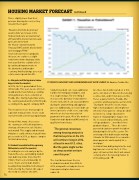
STUDENT LOAN DEBT AND HOMEOWNERSHIP RATE UNDER 35. Source: Freddie Mac
Student loan debt can create additional hurdles for mortgage shoppers, and
in a couple of ways. For one thing, it increases the borrower’s total debt-to- income ratio, which can cause problems during the underwriting and approval process. Additionally, excessive debt can lower a person’s credit score, especially when he or she has missed a few payments in the past. All of this makes it harder for debt-burdened Millennials to qualify for home loans.
“The general consensus among housing analysts is that home prices in the U.S. will continue rising in 2016, at least in most U.S. cities. But the gains might not be as steep as what we have seen this year.”
The chart below shows the rise
in student loan debt from 2004 to 2014, along with a steady decline in homeownership for Americans under 35.
Are these two trends related, or is this just a coincidence? I’d bet on there being a connection, and I’m not alone on this. Here’s a quote from the Freddie Mac economic and housing forecast for 2016: “During the Great Recession, many
high school graduates who might not otherwise have gone to college decided to invest in a college education in
hopes of enjoying higher wages once the recession ended. Similarly, some college graduates ... went back for a graduate degree ... These decisions generated explosive growth in student debt during the Great Recession. The overhang of this debt may be making
it harder for Millennials to accumulate down payments and to qualify for a mortgage.”
Is student loan debt going to be the next big  nancial crisis for the U.S.? The jury’s still out on that. But it will almost certainly affect the housing market in 2016 and beyond.


