


Page 39 - Caribbean Reef Life Demo
P. 39
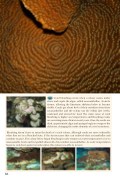
Coral bleaching occurs when a colony comes under stress and expels the algae, called zooaxanthellae, from its tissues, allowing the limestone skeleton below to become visible. Corals get about 80  of their nutrition from these zooaxanthellae and the colony can die within just weeks, weakened and starved for food. The main cause of coral bleaching is higher sea temperatures and bleaching events are occurring more often in recent years. Once the corals are dead, opportunistic algae and sponges begin to overgrow the skeletons, changing the entire dynamic of a reef ecosystem.
Bleaching doesn’t have to mean the death of a coral colony. Although corals are more vulnerable when they are in a bleached state, if the stresses pass they can reabsorb their zooxanthellae and continue to grow. The colony below began bleaching in early summer as water temperatures rose to unseasonable levels and it expelled almost all of its resident zooaxanthellae. As water temperatures began to cool down again towards winter, this colony was able to recover.
86


