


Page 185 - Demo
P. 185
LUKE
VII. THE PASSION NARRATIVE* The Conspiracy Against Jesus.
221a Now the feast of Unleavened Bread, called the Passover,* 2b
was drawing near, and the chief priests and the scribes were seeking a way to put him to death, for they were afraid of the people. 3c Then Satan entered into Judas,* the one surnamed Iscariot, who was counted among the Twelve,d 4and he went to the chief priests and temple guards to discuss a plan for handing him over to them. 5They were pleased and agreed to pay him money. 6He accepted their offer and sought a favorable opportunity to hand him over to them in the absence of a crowd.
Preparations for the Passover.e 7When the day of the feast of Unleavened Bread arrived, the day for sacrificing the Passover lamb,f 8he sent out Peter and John, instructing them, “Go and make preparations for us to eat the Passover.” 9They asked him, “Where do you want us to make the preparations?” 10And he answered them, “When you go into the city, a man will meet you carrying a jar of water.* Follow him into the house that he enters 11and say to the master of the house, ‘The teacher says to you, “Where is the guest room where I may eat the Passover with my disciples?”’ 12He will show you a large upper room that is furnished. Make the preparations there.” 13Then they went off and found everything exactly as he had told them, and there they
22:3
When the disciples ask for
a sign that the end is near, Jesus warns them of wars and insurrections and great “Satan entered into Judas”. Throughout Luke’s Gospel, we have seen Jesus threatened by demonic powers, from his temptation in the desert to his many encounters with possessed people. Now the last battle begins, which will end in Jesus’ decisive victory over the power of evil.
“Death and life have contended / In that combat stupendous. / The Prince of Life, who died, reigns immortal” (from Victimae Paschali laudes,
an ancient Easter hymn, Roman Missal).
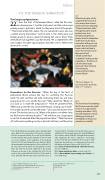
The Last Supper in
an anonymous painting (late 17th century)
22:10
The instructions for preparing the Passover meal are similar to those Jesus gave before entering Jerusalem (19:30). His total awareness of each detail gives a feeling of inevitability to the passion narrative as it unfolds.
* [22:1–23:56a] The passion narrative. Luke is still dependent upon Mark for the composition of the passion narrative but has incorporated much of his own special tradition into the narrative. Among the distinctive sections in Luke are: (1) the tradition of the institution of the Eucharist (Lk 22:15–20); (2) Jesus’ farewell discourse (Lk 22:21–38); (3) the mistreatment and interrogation of Jesus (Lk 22:63–71); (4) Jesus before Herod and his second appearance before Pilate (Lk 23:6–16); (5) words addressed to the women followers on the way to the cruci xion (Lk 23:27–32); (6) words to the penitent thief (Lk 23:39–41); (7) the death of Jesus (Lk 23:46, 47b–49). Luke stresses the innocence of
a. [22:1–2] Mt 26:1–5; Mk 14:1–2; Jn 11:47–53.
b. [22:2] 19:47–48; 20:19; Mt 21:46; Mk 12:12; Jn 5:18; 7:30. c. [22:3–6] Mt 26:14–16; Mk 14:10–11; Jn 13:2, 27.
d. [22:3] Acts 1:17.
Jesus (Lk 23:4, 14–15, 22) who is the victim of the powers of evil (Lk 22:3, 31, 53) and who goes to his death in ful llment of his Father’s will (Lk 22:42, 46). Throughout the narrative Luke emphasizes the mercy, compassion, and healing power of Jesus (Lk 22:51; 23:43) who does not go to death lonely and deserted, but is accompanied by others who follow him on the way of the cross (Lk 23:26–31, 49).
* [22:1] Feast of Unleavened Bread, called the Passover: see note on Mk 14:1.
* [22:3] Satan entered into Judas: see note on Lk 4:13.
* [22:10] A man will meet you carrying a jar of water: see
note on Mk 14:13.
e. [22:7–13] Mt 26:17–19; Mk 14:12–16. f. [22:7] Ex 12:6, 14–20.
g. [22:13] 19:32.
173


