


Page 247 - Demo
P. 247
THE ACTS OF THE APOSTLES
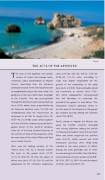
Petra
The Acts of the Apostles, the second (Acts 2:14–36; 3:12–26; 4:8–12; 5:29–32;
volume of Luke’s two-volume work, continues Luke’s presentation of biblical history, describing how the salvation promised to Israel in the Old Testament and accomplished by Jesus has now under the guidance of the holy Spirit been extended to the Gentiles. This was accomplished through the divinely chosen representatives (Acts 10:41) whom Jesus prepared during his historical ministry (Acts 1:21–22) and commissioned after his resurrection as witnesses to all that he taught (Acts 1:8; 10:37–43; Lk 24:48). Luke’s preoccupation with the Christian community as the Spirit- guided bearer of the word of salvation rules out of his book detailed histories of the activity of most of the preachers. Only the main lines of the roles of Peter and Paul serve Luke’s interest.
Peter was the leading member of the Twelve (Acts 1:13, 15), a miracle worker like Jesus in the gospel (Acts 3:1–10; 5:1–11, 15; 9:32–35, 36–42), the object of divine care (Acts 5:17–21; 12:6–11), and the spokesman for the Christian community
10:34–43; 15:7–11), who, according to Luke, was largely responsible for the growth of the community in the early days (Acts 2:4; 4:4). Paul eventually joined the community at Antioch (Acts 11:25– 26), which subsequently commissioned him and Barnabas to undertake the spread of the gospel to Asia Minor. This missionary venture generally failed to win the Jews of the diaspora to the gospel but enjoyed success among the Gentiles (Acts 13:14–14:27).
Paul’s refusal to impose the Mosaic law upon his Gentile converts provoked very strong objection among the Jewish Christians of Jerusalem (Acts 15:1), but both Peter and James supported his position (Acts 15:6–21). Paul’s second and third missionary journeys (Acts 16:36–21:16) resulted in the same pattern of failure among the Jews generally but of some success among the Gentiles. Paul, like Peter, is presented as a miracle worker (Acts 14:8– 18; 19:12; 20:7–12; 28:7–10) and the object of divine care (Acts 16:25–31).
235


