


Page 25 - Door Supervision Training Booklet
P. 25
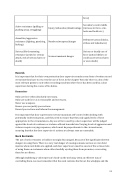
force)
Active resistance (pulling or pushing away, struggling)
Injury/exhaustion/disadvantage
Secondary control skills (increase in force, arm- locks and holds etc.)
Assaultive/aggressive
resistance (fighting, punching, Numbers/weapons/danger kicking)
Defensive tactics (blocks, strikes and takedowns)
Serious/life threatening resistance (armed or serious attack, risk of serious harm or death)
Serious imminent danger
Serious or deadly use of force (action likely to or could cause serious harm or even death)
Records
It is important that for their own protection door supervisors make some form of written record every time they have to resort to the use of force. In the chapter 'Records' there is a list of the most relevant points to note when recording incidents where force has been used by a door supervisor during the course of his duties.
Remember
Only use force when absolutely necessary.
Only use such force as is reasonable and necessary. Never use weapons.
Ensure you can justify your actions.
Record your actions and inform the management.
It is important that door supervisors exercise maximum self-control when dealing with potentially violent situations, and they need to ensure that they only apply levels of force appropriate to the circumstances. Any use of force used by a door supervisor will be judged against the levels of resistance or violence offered towards him. Varying levels of aggression and violence require varying responses, which must be proportionate to the circumstances, ensuring that that the door supervisor's actions are always seen as reasonable.
Neck Restraints
The use of neck restraints or holds is strongly discouraged, because of the significant inherent dangers in using them. There is a very real danger of causing someone serious or even fatal injuries when neck holds are applied, and door supervisors must be aware of the serious risks of using them on customers when either lawfully ejecting them from premises, or arresting them for an offence.
Although stabilising a violent person's head via the neck may seem an effective way of controlling them, we must remember that the neck contains the throat, the windpipe and the
24


