


Page 5 - Demo
P. 5
Insulation is Key
The UN climate conference in Paris marked a turning point in global climate and energy policy. For the first time, all 195 member states of the UN Framework Convention on Climate Change committed them- selves to protecting the climate and unanimously agreed to limit global warming to below 2 °C. In order to build a low-carbon econ- omy, by 2050 the European Union aims to progressively reduce its greenhouse gas emissions by 80 per cent compared to 1990. This ambitious target can only be achieved if the European directives on increasing energy efficiency are implemented more rigorously at a national level in future.
It is high time for a global “energy revolution”. Because energy con- sumption will continue to rise: according to the British energy com- pany BP, by 2035 the amount of energy required on Earth will have increased by a third compared to today’s levels. At the same time, urbanization will grow further. Over half of the world’s population already lives in towns and cities – the UN forecasts that it will be more than two thirds in 2050. We have to set the course for shaping
these developments to ensure that they are sustainable – environ- ment friendly, socially fair and economically efficient.
To meet the growing energy demand and at the same time protect our planet for future generations, it is imperative that we improve the energy efficiency of technical equipment. The key technology for increasing energy efficiency is insulation. Because wherever energy is produced, transported or stored, part of the valuable resource is lost if equipment is poorly insulated. This applies equally to HVAC equipment and industrial plant. Technical insulation is one of the simple, fastest and most cost-efficient measures for improving energy consumption. No other investment in climate protection has compa- rable potential and pays off so quickly. While accounting for just 1 % of the total costs of the technical equipment on average, insulation materials ensure higher performance, a longer service life and higher efficiency of mechanical equipment both in buildings and in industry.
This is a powerful message which our industry must spread even more vigorously in future.
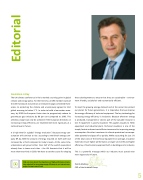
Patrick Mathieu
CEO of the Armacell Group
Find out more about the importance of high-performance insula- tion materials for increasing energy efficiency in our internet cam- paign at www.armacell.com
5
Editorial


