


Page 9 - 71187_NSAA_FallJournal2016
P. 9
and volunteers within guest services departments at ski         require minors to wear helmets, similar to many bicycle
areas across the country conduct in-person interviews using     and motorcycle mandatory helmet laws. Simply put, these
a standardized data collection form. Other questions vary       statistics effectively moot any need for helmet mandates
from ski area to area, based on the resort’s specific data      around the country. (In the US, only New Jersey legally
interests, to obtain key demographic data from guests—          mandates ski helmets, and in Canada, only Nova Scotia
everything from gender, age, zip code, income, level of         requires them.)
experience, use of rentals, equipment use and, yes, whether
they are wearing a helmet.                                          “The ski industry has achieved near-saturation helmet
                                                                usage in just over a decade, organically, obviating the need
    The statistical validity of the helmet data stems from the  for state helmet mandates,” said Geraldine Link, NSAA’s
in-person interviews (conducted at the base area or on lifts),  director of public policy, who noted that the sport’s high
unlike asking guests if they wear helmets in on-line or post-   levels of helmet use came about as the result of grass-roots
visit surveys, where they may feel compelled to provide what    effort across the industry.
they perceive as a politically correct response. For the 2015-
16 season, nearly 47,000 guests were interviewed in-person for      In stark comparison, even though 22 states and a siz-
equipment usage and helmet information.                         able number of municipalities have mandatory bicycle
                                                                helmet laws, only about a quarter to one-third of all bikers
    Perhaps most impressive is the fact that 9 out of 10        wear helmets.
minors (individuals aged 17 and under) wore helmets
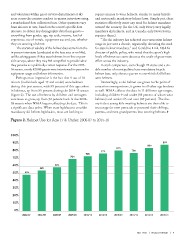
during this past season, with 89 percent of this age cohort         Interestingly, as ski helmet use grows to the point of
in helmets, up from 85 percent during the 2014-15 season        saturation among minors, it grows in all other age brackets
(figure 2). The use of helmets by children and teenagers        as well. NSAA collects the data in 11 different age ranges,
continues to grow, up from 32 percent back in the 2002-         including children 9 and under (93 percent of whom wear
03 season when NSAA began collecting the data. This is          helmets) and seniors 65 and over (87 percent). The the-
a significant data point: When state legislatures consider      ory is that young kids wearing helmets are then able to
mandatory ski helmet legislation, most are looking to           encourage (or even persuade or pressure) their siblings,
                                                                parents, and even grandparents into wearing helmets.

Figure 2. Helmet Use for Age 17 & Under, 2006-07 to 2015-16

100%

90%                                                                                           85%      89%
                                                                                           2014/15  2015/16
80%                                                               77%      81%      78%
                                                                2011/12  2012/13  2013/14
70%                                     70%      74%
                                      2009/10  2010/11
60%                   54%      59%
                    2007/08  2008/09
50%   49%

40%

30%

20%

10%

0%

           2006/07

                                                                                  FALL 2016  |  NSAA JOURNAL  |  7

