Page 13 - 2019 December E-issue
P. 13
causing the tape to fall off or not create the paint barrier for tape. The U.S. was also in the Great Depression, putting
necessary for a clean job. With a few failed paint jobs, the body many companies out of business, as consumers no longer had
shop workers told him to not be so Scotch with the adhesive, money to purchase the latest and greatest products. Instead,
A Christmas (W)rap even going so far as to call his tape Scotch or cheap. At there was a need to repair and re-use old products, and a
the time, Scotch was an unflattering term for cheap or stingy,
clear tape found great utility in many of these repair and reuse
by Robert Gunderman, PE and John Hammond, PE coming from the perception of Scottish thriftiness. Soon, his applications. Scotch® brand tape was the perfect opportunity
tape became known as Scotch® Masking Tape, even after he in such a terrible economy where thriftiness was a survival
busy not only fixing damaged vehicles, but customizing them in finally achieved success through proper adhesive formulation essential, and the company thrived.
two tone paint jobs to supplement and amount. On May 27, 1930 he was granted United States
the boring factory finishes of the Patent 1,760,820, and Scotch® Masking Tape became a new And More
day. These custom paint jobs were product for his employer. He soon was promoted to a high level The original patent for transparent tape also served as a
all the rage, but a headache for technical position in the company. foundation for additional patents
body shops. Richard Drew was His passion for invention having related to materials, adhesives,
a young mechanical engineering been fueled by the success of and production machinery and
student who never finished his Scotch® Masking Tape in a small methods. In the first two years as
degree, but instead spent his time company that previously made a product, Scotch® transparent
playing banjo and working for a only sandpaper, he set out to solve tape suffered from dispensing
small sandpaper manufacturer in another sticky problem that was difficulties. The tape was difficult
Minnesota known as Minnesota emerging at the time. to work with, and often could not
Mining and Manufacturing. His be easily started from the spool
job involved calling on automotive The Clear Opportunity (unless you had good fingernails
repair shops with samples of his Cellophane came on the scene and good eyesight). Then, in 1936
companys sandpaper. It was in the early 1900s after Swiss a 3M sales manager named John
through his visits to various auto chemist Jacques E. Brandenberger Borden designed a tape dispenser
repair shops that he heard constant spent ten years perfecting a clear with a built in cutter, clearing yet
complaints from the workers about film to protect tablecloths from another hurdle in the unbridled
two tone paint jobs and the lack of wine spills. A thin, clear material success of Scotch® tape. United
good tape or adhesive to prevent made from cellulose through a States Patent 2,221,213 was
the paint colors from bleeding into chemical process, Cellophane awarded to Borden for his Tape
adjacent areas. came to be used extensively in the Dispenser.
food industry. Whitmans candy
The Birth of Masking Tape company first used it in the United Richard Drew lived until 1980,
Drew became interested in coming States to wrap their chocolates. and in 2007 was inducted into
up with a solution to the problem Soon, many food products came the National Inventors Hall of
of a good automotive tape, and to be wrapped in the clear material, Fame. His humble invention is the
much less interested in selling and allowing consumers to see the reason that Christmas presents
testing sandpaper. He came up product they were purchasing. are wrapped so beautifully today.
with the idea of using a modified The meat industry in particular thrived due to Cellophane, as According to the Smithsonian, 3M sells enough Scotch® tape
version of the adhesive used in customers could easily view the product before purchase while each year to circle the earth 165 times. Clearly the tape is being
making sandpaper and applying keeping the meat sealed for longer shelf life. Tape, when used used for more than just wrapping presents.
it to a paper strip backing. Drew to seal Cellophane packaging, spoiled the clear look and
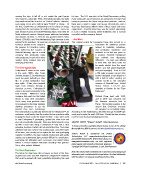
spent two years experimenting was not cosmetically desirable. Drew was determined to come GRAPHIC CREDIT: Wrapper s Delight. Robert Gunderman.
with various formulas and up with a clear tape using a Cellophane strip and a clear
combinations to come up with a adhesive, the likes of which did not exist at the time. The brown To browse the entire searchable library of prior issues of The Limited
successful product. In that time, adhesive that was used for his masking tape, and other tapes Monopoly® from 2005 to present, visit www.thelimitedmonopoly.com.
one of the challenges he faced was in the amount of adhesive to of the time, was clearly not an option for this new packaging
apply to the paper strips so that the tape would remove cleanly, material. In addition, the clear material cracked and split easily, Authors Robert D. Gunderman P.E. (Patent
but still work to prevent paint from wicking under the tape while making any subsequent tape product difficult to manufacture. Technologies, LLC www.patentechnologies.com)
in use. He tried not only numerous adhesive formulations, but Eventually, the difficulties were overcome, and United States and John M. Hammond P.E. (Patent Innovations, LLC
also experimented with the amount to be applied to the paper Patent 2,177,627 entitled Adhesive Sheeting was granted. www.patent-innovations.com) are both registered
strips, and even tried applying the adhesive only on the edges of Soon, other patents followed. patent agents and licensed professional engineers.
the paper strip, leaving the center of the strip devoid of adhesive Copyright 2019 Robert Gunderman, Jr. and John Hammond
to ease removal. With each iteration, he took samples to his The Great Depression
favorite auto shops for them to try. The future for clear tape did not seem so clear at the time. Note: This short article is intended only to provide cursory background
Dupont had come out with improved Cellophane materials information, and is not intended to be legal advice. No client relationship
The biggest complaint early on was the lack of enough adhesive, that could be sealed with heat, potentially eliminating the need with the authors is in any way established by this article.
the limited monopoly DECEMBER 2019 The ROCHESTER ENGINEER | 13