


Page 236 - Demo
P. 236
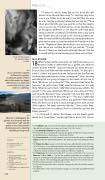
Jesus in the garden by Gustave Doré (1866)
18:1 Jesus is arrested in a garden and buried in a garden, recalling the garden of Eden, where the human story began. With the passion, death, and resurrection of Jesus, a new creation is underway.
18:5 When he is challenged by the guards, Jesus responds with the divine name, “I AM,” and the guards react as they would in the divine presence, retreating and falling to the ground.
CHAPTER 17
m. [17:21] 10:30; 14:10–11, 20.
n. [17:24] 14:3; 1 Thes 4:17.
o. [17:25] 1:10.
CHAPTER 18
a. [18:1] 2 Sm 15:23; Mt 26:30, 36; Mk 14:26, 32; Lk 22:39.
b. [18:3] Mt 26:47–51; Mk 14:43–44; Lk 22:47.
c. [18:9] 6:39; 10:28; 17:12.
d. [18:11] Mt 20:22; 26:39; Mk 10:38;
Lk 22:42.
e. [18:12–14] Mt 26:57–58; Mk 14:53–54;
Lk 22:54–55.
224
JOHN -
20“I pray not only for them, but also for those who will believe in me through their word, 21so that they may all be one, as you, Father, are in me and I in you, that they also may be in us, that the world may believe that you sent me.m 22And I have given them the glory you gave me, so that they may be one, as we are one, 23I in them and you in me, that they may be brought to perfection as one, that the world may know that you sent me, and that you loved them even as you loved me. 24Father, they are your gift to me. I wish that where I am* they also may be with me, that they may see my glory that you gave me, because you loved me before the foundation of the world.n 25Righteous Father, the world also does not know you, but I know you, and they know that you sent me.o 26I made known to them your name and I will make it known,* that the love with which you loved me may be in them and I in them.”
Jesus Arrested.*
181When he had said this, Jesus went out* with his disciples across
the Kidron valley to where there was a garden, into which he and his disciples entered.a 2Judas his betrayer also knew the place, because Jesus had often met there with his disciples. 3So Judas got a band of soldiers* and guards from the chief priests and the Pharisees and went there with lanterns, torches, and weapons.b 4Jesus, knowing everything that was going to happen to him, went out and said to them, “Whom are you looking for?” 5They answered him, “Jesus the Nazorean.”* He said to them, “I AM.” Judas his betrayer was also with them. 6When he said to them, “I AM,” they turned away and fell to the ground. 7So he again asked them, “Whom are you looking for?” They said, “Jesus the Nazorean.” 8Jesus answered, “I told you that I AM. So if you are looking for me, let these men go.” 9* c This was to ful ll what he had said, “I have not lost any of those you gave me.” 10Then Simon Peter, who had a sword, drew it, struck the high priest’s slave, and cut o his right ear. The slave’s name was Malchus.* 11Jesus said to Peter, “Put your sword into its scabbard. Shall I not drink the cup* that the Father gave me?”d
12e So the band of soldiers, the tribune, and the Jewish guards seized Jesus, bound him, 13and brought him to Annas* rst. He was
* [17:24] Where I am: Jesus prays for the believers ultimately to join him in heaven. Then they will not see his glory as in a mirror but clearly (2 Cor 3:18; 1 Jn 3:2).
* [17:26] I will make it known: through the Advocate.
* [18:1–14] John does not mention the agony in the garden and the kiss of Judas, nor does
he identify the place as Gethsemane or the Mount of Olives.
* [18:1] Jesus went out: see Jn 14:31, where it seems he is leaving the supper room. Kidron
valley: literally, “the winter- owing Kidron”; this wadi has water only during the winter
rains.
* [18:3] Band of soldiers: seems to refer to Roman troops, either the full cohort of 600 men
(1/10 of a legion), or more likely the maniple of 200 under their tribune (Jn 18:12). In this case, John is hinting at Roman collusion in the action against Jesus before he was brought to Pilate. The lanterns and torches may be symbolic of the hour of darkness.
* [18:5] Nazorean: the form found in Mt 26:71 (see note on Mt 2:23) is here used, not Nazarene of Mark. I AM: or “I am he,” but probably intended by the evangelist as an expression of divinity (cf. their appropriate response in Jn 18:6); see note on Jn 8:24. John sets the confusion of the arresting party against the background of Jesus’ divine majesty.
* [18:9] The citation may refer to Jn 6:39; 10:28; or 17:12.
* [18:10] Only John gives the names of the two antagonists; both John and Luke mention
the right ear.
* [18:11] The theme of the cup is found in the synoptic account of the agony (Mk 14:36 and
parallels).


