


Page 289 - Demo
P. 289
THE ACTS OF THE APOSTLES
28When they heard this, they
were lled with fury and began
to shout, “Great is Artemis of the
Ephesians!” 29The city was lled
with confusion, and the people
rushed with one accord into
the theater, seizing Gaius and
Aristarchus, the Macedonians,
Paul’s traveling companions.f
30Paul wanted to go before the
crowd, but the disciples would
not let him, 31and even some of
the Asiarchs* who were friends
of his sent word to him advising
him not to venture into the
theater. 32Meanwhile, some
were shouting one thing, others
something else; the assembly
was in chaos, and most of the
people had no idea why they
had come together. 33Some of
the crowd prompted Alexander,
as the Jews pushed him forward,
and Alexander signaled with his
hand that he wished to explain
something to the gathering.
34But when they recognized that
he was a Jew, they all shouted in unison, for about two hours, “Great is Artemis of the Ephesians!” 35Finally the town clerk restrained the crowd and said, “You Ephesians, what person is there who does not know that the city of the Ephesians is the guardian of the temple* of the great Artemis and of her image that fell from the sky? 36Since these things are undeniable, you must calm yourselves and not
do anything rash. 37The men you brought here are not temple robbers, nor have they insulted our goddess. 38If Demetrius and his fellow craftsmen have a complaint against anyone, courts are in session, and there are proconsuls. Let them bring charges against one another. 39If you have anything further to investigate, let the matter be settled in the lawful assembly, 40for, as it is, we are in danger of being charged with rioting because of today’s conduct. There is no cause for it. We shall [not]* be able to give a reason for this demonstration.” With these words he dismissed the assembly.
* [19:31] Asiarchs: the precise status and role of the Asiarchs is disputed. They appear to have been people of wealth and in uence who promoted the Roman imperial cult and who may also have been political representatives in a league of cities in the Roman province of Asia.
* [19:35] Guardian of the temple: this title was accorded by Rome to cities that provided a temple for the imperial cult. Inscriptional evidence indicates that Ephesus was acknowledged as the temple keeper of Artemis and of the imperial cult. That fell from the sky: many scholars think that this refers to a meteorite that was worshiped as an image of the goddess.
* [19:40] Some manuscripts omit the negative in [not] be able, making the meaning, “There is no cause for which we shall be able to give a reason for this demonstration.”
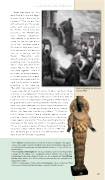
Paul in Ephesus by Gustave Doré (1866)
277


