


Page 90 - Demo
P. 90
78
A breakthrough seemingly comes with Peter’s confession that Jesus is the Christ (Messiah; Mk 8:27–30). But Jesus himself emphasizes his passion (Mk 8:31; 9:31; 10:33–34), not glory in the kingdom (Mk 10:35–45). Momentarily he is glimpsed in his true identity when he is transfigured before three of the disciples (Mk 9:2–8), but by and large Jesus is depicted in Mark as moving obediently along the way to his cross in Jerusalem. Occasionally there are miracles (Mk 9:17–27; 10:46–52; 11:12–14, 20–21, the only such account in Jerusalem), sometimes teachings (Mk 10:2– 11, 23–31), but the greatest concern is with discipleship (Mk 8:34–9:1; 9:33–50). For the disciples do not grasp the mystery being revealed (Mk 9:32; 10:32, 38). One of them will betray him, Judas (Mk 14:10–11, 43–45); one will deny him, Peter (Mk 14:27, 31, 54, 66–72); all eleven men will desert Jesus (Mk 14:27, 50).
The passion account, with its condemnation of Jesus by the Sanhedrin (Mk 14:53, 55–65; 15:1a) and sentencing by Pilate (Mk 15:1b–15), is prefaced with the entry into Jerusalem (Mk 11:1–11), ministry and controversies there (Mk 11:15–12:44), Jesus’ Last Supper with the disciples (Mk 14:1–26), and his arrest at Gethsemane (Mk 14:32–52). A chapter of apocalyptic tone about the destruction of the temple (Mk 13:1–2, 14–23) and the coming of the Son of Man (Mk 13:24–27), a discourse filled with promises (Mk 13:11, 31) and admonitions to be watchful (Mk 13:2, 23, 37), is significant for Mark’s Gospel, for it helps one see that God, in Jesus, will be victorious after the cross and at the end of history.
The Gospel of Mark ends in the most ancient manuscripts with an abrupt scene at Jesus’ tomb, which the women find empty (Mk 16:1–8). His own prophecy of Mk 14:28 is reiterated, that Jesus goes before the disciples into Galilee; “there you will see him.” These words may imply resurrection appearances there, or Jesus’ parousia there, or the start of Christian mission, or a return to the roots depicted in Mk 1:9, 14–15 in Galilee. Other hands have attached additional endings after Mk 16:8; see note on Mk 16:9–20.
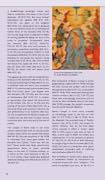
Icon of the Baptism of the Lord by Joan Brand-Landkamer
The framework of Mark’s Gospel is partly geographical: Galilee (Mk 1:14–9:49), through the area “across the Jordan” (Mk 10:1) and through Jericho (Mk 10:46–52), to Jerusalem (Mk 11:1–16:8). Only rarely does Jesus go into Gentile territory (Mk 5:1–20; 7:24–37), but those who acknowledge him there and the centurion who confesses Jesus at the cross (Mk 15:39) presage the gospel’s expansion into the world beyond Palestine.
Mark’s Gospel is even more oriented to christology. Jesus is the Son of God (Mk 1:11; 9:7; 15:39; cf. Mk 1:1; 14:61). He is the Messiah, the anointed king of Davidic descent (Mk 12:35; 15:32), the Greek for which, Christos, has, by the time Mark wrote, become in effect a proper name (Mk 1:1; 9:41). Jesus is also seen as Son of Man, a term used in Mark not simply as a substitute for “I” or for humanity in general (cf. Mk 2:10, 27–28; 14:21) or with reference to a mighty figure who is to come (Mk 13:26; 14:62), but also in connection with Jesus’ predestined, necessary path of suffering and vindication (Mk 8:31; 10:45).
The unfolding of Mark’s story about Jesus is sometimes viewed by interpreters as centered around the term “mystery.” The word is employed just once, at Mk 4:11, in


