


Page 89 - Demo
P. 89
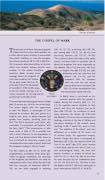
The Sea of Galilee
This shortest of all New Testament gospels is likely the first to have been written, yet it often tells of Jesus’ ministry in more detail than either Matthew or Luke (for example, the miracle stories at Mk 5:1–20 or Mk 9:14– 29). It recounts what Jesus did in a vivid style, where one incident follows directly upon another. In this almost breathless narrative, Mark stresses Jesus’
message about the kingdom of
(Mk 1:21, 22, 27), preaching (Mk 1:38, 39), and healing (Mk 1:29–31, 34, 40–45), and exorcising demons (Mk 1:22–27, 34–39). The content of Jesus’ teaching is only rarely stated, and then chiefly in parables (Mk 4) about the kingdom. His cures, especially on the sabbath (Mk 3:1–5); his claim, like God,
to forgive sins (Mk 2:3–12); his table fellowship with tax collectors and sinners (Mk 2:14–17); and the statement that his followers need not now fast but should rejoice while Jesus is present (Mk 2:18–22), all stir up opposition that
will lead to Jesus’ death (Mk 3:6).
In Mark, Jesus is portrayed as im-
God now breaking into human
life as good news (Mk 1:14–15)
and Jesus himself as the gospel
of God (Mk 1:1; 8:35; 10:29). Jesus
is the Son whom God has sent to rescue humanity by serving and by sacrificing his life (Mk 10:45).
Wheat and grapes
The opening verse about good news in Mark (Mk 1:1) serves as a title for the entire book. The action begins with the appearance of John the Baptist, a messenger of God attested by scripture. But John points to a mightier one, Jesus, at whose baptism God speaks from heaven, declaring Jesus his Son. The Spirit descends upon Jesus, who eventually, it is promised, will baptize “with the holy Spirit.” This presentation of who Jesus really is (Mk 1:1–13) is rounded out with a brief reference to the temptation of Jesus and how Satan’s attack fails. Jesus as Son of God will be victorious, a point to be remembered as one reads of Jesus’ death and the enigmatic ending to Mark’s Gospel.
The key verses at Mk 1:14–15, which are programmatic, summarize what Jesus pro- claims as gospel: fulfillment, the nearness of the kingdom, and therefore the need for repentance and for faith. After the call of the first four disciples, all fishermen (Mk 1:16– 20), we see Jesus engaged in teaching
mensely popular with the people in Galilee during his ministry (Mk 2:2; 3:7; 4:1). He appoints twelve disciples to help preach and drive out demons, just as he does (Mk 3:13–19). He continues to work many miracles; the blocks Mk 4:35–6:44 and Mk 6:45–7:10 are cycles of stories about healings, miracles at the Sea of Galilee, and marvelous feedings of the crowds. Jesus’ teaching in Mk 7 exalts the word of God over “the tradition of the elders” and sees defilement as a matter of the heart, not of unclean foods. Yet opposition mounts. Scribes charge that Jesus is possessed by Beelzebul (Mk 3:22). His relatives think him “out of his mind” (Mk 3:21). Jesus’ kinship is with those who do the will of God, in a new eschatological family, not even with mother, brothers, or sisters by blood ties (Mk 3:31–35; cf. Mk 6:1–6). But all too often his own disciples do not understand Jesus (M 4:13, 40; 6:52; 8:17–21). The fate of John the Baptist (Mk 6:17–29) hints ominously at Jesus’ own passion (Mk 9:13; cf. Mk 8:31).
THE GOSPEL OF MARK
77


