


Page 95 - Demo
P. 95
* [2:13] He taught them: see note on Mk 1:21–45.
* [2:14] As he passed by: see note on Mk 1:16–20. Levi, son of Alphaeus: see note
on Mt 9:9. Customs post: such tax collectors paid a xed sum for the right to collect customs duties within their districts. Since whatever they could collect above this amount constituted their pro t, the abuse of extortion was widespread among them. Hence, Jewish customs o cials were regarded as sinners (Mk 2:16), outcasts of society, and disgraced along with their families. He got up and followed him: i.e., became a disciple of Jesus.
* [2:15] In his house: cf. Mk 2:1; Mt 9:10. Lk 5:29 clearly calls it Levi’s house.
* [2:16–17] This and the following con ict stories re ect a similar pattern: a statement of fact,
a question of protest, and a reply by Jesus.
* [2:17] Do not need a physician: this maxim of Jesus with its implied irony was uttered
to silence his adversaries who objected that he ate with tax collectors and sinners (Mk 2:16). Because the scribes and Pharisees were self-righteous, they were not capable of responding to Jesus’ call to repentance and faith in the gospel.
* [2:18–22] This con ict over the question of fasting has the same pattern as Mk 2:16–17; see notes on Mt 9:15; 9:16–17.
* [2:19] Can the wedding guests fast?: the bridal metaphor expresses a new relationship
of love between God and his people in the person and mission of Jesus to his disciples. It is the inauguration of the new and joyful messianic time of ful llment and the passing of the old. Any attempt at assimilating the Pharisaic practice of fasting, or of extending the preparatory discipline of John’s disciples beyond the arrival of the bridegroom, would be as futile as sewing a piece of unshrunken cloth on an old cloak or pouring new wine into old wineskins with the resulting destruction of both cloth and wine (Mk 2:21–22). Fasting is rendered super uous during the earthly ministry of Jesus; cf. Mk 2:20.
a. [2:1–12] Mt 9:2–8; Lk 5:18–26. b. [2:7] Is 43:25.
c. [2:13] 4:1.
d. [2:14–17] Mt 9:9–13; Lk 5:27–32. e. [2:18–22] Mt 9:14–17; Lk 5:33–39.
MARK
The Call of Levi. 13* c Once again he went out along the sea. All the crowd came to him and he taught them. 14d As he passed by,* he saw Levi, son of Alphaeus, sitting at the customs post. He said to him, “Follow me.” And he got up and followed him. 15While he was at table in his house,* many tax collectors and sinners sat with Jesus and his disciples; for there were many who followed him. 16* Some scribes who were Pharisees saw that he was eating with sinners and tax collectors and said to his disciples, “Why does he eat with tax collectors and sinners?” 17Jesus heard this and said to them [that], “Those who are well do not need a physician,* but the sick do. I did not come to call the righteous but sinners.”
The Question About Fasting.* 18The disciples of John and of the Pharisees were accustomed to fast.e People came to him and objected, “Why do the disciples of John and the disciples of the Pharisees fast, but your disciples do not fast?” 19Jesus answered them, “Can the wedding guests fast* while the bridegroom is with them? As long as they have the bridegroom
with them they cannot fast. 20But the days will come when the bridegroom is taken away from them, and then they will fast on that day. 21No one sews a piece of unshrunken cloth on an old cloak. If he does, its fullness pulls away, the new from the old, and the tear gets worse. 22Likewise, no one pours new wine into old wineskins. Otherwise, the wine will burst the skins, and both the wine and the skins are ruined. Rather, new wine is poured into fresh wineskins.”
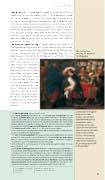
The Call of Levi, painting by Hendrick Ter Brugghen
Look at how Ter Brugghen imagines the scene.
At Jesus’ call, Levi (later called Matthew) gets up immediately, almost knocking over his stool. Look at the reaction of the other four men at the table: some curious, perhaps envious, others seeming
to ignore or not even to notice what is happening. Do you recognize yourself in this painting?
83


