


Page 18 - ROCHESTER
P. 18
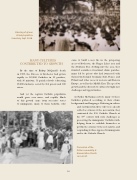
Blessing of graves at Holy Sepulchre Cemetery, Sept. 1928.
MANY CULTURES CONTRIBUTED TO GROWTH
By the time of Bishop McQuaid’s death in 1909, the Diocese of Rochester had grown rapidly to 121,000 Catholics in 93 parishes, with 36 missions, 53 parish schools (educating 18,000 students), served by 164 priests and 500 sisters.
And yet the region’s Catholic population would grow even more, and rapidly. Much of this growth came from successive waves of immigrants, many of them Catholic, who
came to build a new life in the prospering areas of Rochester, the Finger Lakes area and the Southern Tier. Settling into the area, they founded a number of national ethnic parishes, many led by priests who had journeyed with them from Ireland, Germany, Italy, France and Poland and other areas of western and Eastern Europe, as well as the Middle East. The speed of growth and the diversity of cultures brought new challenges and opportunities.
As Father McNamara noted, many of these Catholics gathered according to their ethnic backgrounds and languages. Differing in culture
and customs from those who were already settled as citizens of the new nation, they confronted the U.S. Catholic Church of the 19th century with such challenges as preserving the immigrants’ Catholic faith, helping them to establish themselves as productive citizens of the new nation, and responding to those opposed to immigrants and to the Catholic Church.
Procession of the Italian community at Annunciation Church circa 1917.
16


