


Page 186 - 72193
P. 186
158
 ב"י קרֶֶפּ
 בי קרפ
                                              th
 םייח ץפח
 Chafetz Chayim  הרימשה תבוח סרטנוק  .וֹנוֹשְׁל ןאָכּ דַע ,תוּכְז ףַכּ ַעירְִכִה  .תוְֹצִמ ברְֹבּ תוֹכְּזִל ךְיֵא ,םָדָאָה ןֵנוֹבְּתִיֶּשׁ   אוּה תֵעָכֶּשׁ דֹאְמ לוּלָעְו .יַדּ וּניֵתוֹרָצְל רַמאֹי ,יַדּ וֹמָלוֹעְל   רַמָאֶשׁ יִמוּ .לֵארְָשִׂיְל תוּכְז םיִציִלְמַה תרֵָשַּׁה יֵכֲאְלַמ יֵפְלַא   הָמַּכּ הָלְעַמְל שֵׁי יאַדַּוְבוּ .ו
  Kuntres Chovat HaShemirah      הרימשה תבוח סרטנוק
 th
 11  chapter                            די קרפ
 stresses (Tehilim 1:2) that one should not associate with them at   ההגה
 all, “but rather only Hashem’s Torah should be his desire.”  And
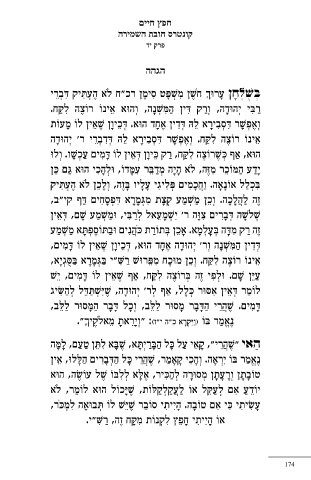
 if they do make a mockery of him, he should not let it bother him    ירְֵבִדּ קיִתְּעֶה אלֹ ח"כר ןָמיִס טָפְּשִׁמ ןֶשֹׁח ךְוּרָע ןָחְלֻשְׁבּ
 at all, as the pasuk states (Tehilim 119:51) “Sinners mocked me
 greatly but I did not sway away from Your Torah.”  And when    .חַקִּל  הֶצוֹר  וֹניֵא  אוּהְו  ,הָנְשִׁמַּה  ןיִדּ  קרְַו  ,הָדוּהְי  יִבּרַ
 the pasuk states “greatly” the meaning is not just one time or two
 times but rather constantly.  Nevertheless, “I did not sway away    תוֹעָמ וֹל ןיֵאֶשׁ ןָויֵכְדּ .אוּה דָחֶא ןידְִדּ הֵּל ארָיִבְסִדּ רָשְׁפֶאְו
 from Your Torah.”  And regarding Chazal’s teaching - that man    הָדוּהְי 'ר ירְֵבדְִדּ הֵּל ארָיִבְסִדּ רָשְׁפֶאְו .חַקִּל הֶצוֹר וֹניֵא
 should always be in harmony with his environment – this refers
 to associating (only) with proper society and not with scoffers.      וּלְו .וָשְׁכַע םיִמָדּ וֹל ןיֵאְדּ ןָויֵכּ קרַ ,חַקִּל הֶצוֹרֶשְׁכּ ףַא ,אוּה
 36
 Most importantly (if one does find himself in the company of evil    ןֵכּ םַגּ אוּה יִכָהְלוּ ,וֹדָמִּע רֵבּדְַמ הָיָה אלֹ ,הֶזִּמ רֵכוֹמַּה עדַָי
 people ) one should not respond back to them.  And when the
 37
 text states, “I did not sway” (which can also be read as –“I did    קיִתְּעֶה אלֹ ןֵכָלְו ,הֶזָבּ ויָלָע יִגיִלְפּ םיִמָכֲחַו .הָאָנוֹא לַלְכִבּ
 not turn”) it means “not to answer them.”     ,ב"יק ףַדּ םיִחָסְפִדּ ארָָמְגִּמ תָצקְ עַמְשַׁמ ןֵכְו .הָכָלֲהַל הֶז

 The explanation of this pasuk is that, Gd forbid, if man should    ןיֵאְדּ ,םָשׁ עַמְשַׁמוּ ,יִבּרְַל לאֵעָמְשִׁי 'ר הָוִּצ םירִָבְדּ הָשׁלְֹשׁ
 follow the advice of evil people and join the company of sinners    עַמְשַׁמ אָתְּפֶסוֹתַּבוּ םיִנֲה ֹּכ תרַוֹתְבּ ןֵכָא .אָמְלָעְבּ הָדִּמ קרַ הֶז
 and bond into a group of scoffers, then if occasionally during
 those conversations they also speak words of Torah, those words    ,םיִמָדּ וֹל ןיֵאֶשׁ ןָויֵכְדּ ,אוּה דָחֶא הָדוּהְי 'רְו הָנְשִׁמַּה ןידְִדּ
 have no power of holiness because they were mingled together
               ,אָיְגֻסַּבּ ארָָמְגַּבּ י"ִשּׁרַ שׁוּרֵפִּמ חָכוּמ ןֵכְו .חַקִּל הֶצוֹר וֹניֵא
               שֵׁי ,םיִמָדּ וֹל ןיֵאֶשׁ ףַא ,חַקִּל הֶצוֹרְבּ הֶז יִפְלוּ .םָשׁ ןֵיַּע
 36.  Quoting  from  the  Preface  &  Introduction  to  Sefer  Chafetz  Chayim  in
 English translation entitled Mazal Elul: The Gemara Sotah (42a) says in    גיִשַּׂהְל לֵדַּתְּשִׁיֶּשׁ ,הָדוּהְי 'רְל ףַא ,לָלְכּ רוּסִּא ןיֵאְדּ רַמוֹל
 the name of Rebbe Yirmiyah Bar Addah that four categories of people will
 not be allowed to sit in the presence of the Shehchinah: scoffers \ cynics,    ,בֵלַּל רוּסָמַּה רָבָדּ לָכְו ,בֵלַּל רוּסָמ רָבָדַּה ירֲֵהֶשׁ .םיִמָדּ
 flatterers \ manipulators, liars and those who speak Lashon Hara.
                      ."ךָיקֶלֹאֵמ ָתארֵָיְו" :)ז"י ה"כ ארָקְִיַּו( וֹבּ רַמֱאֶנ
 37.  Quoting  from  the  6th  Kelal,  the  5th  halacha  of  Sefer  Chafetz  Chayim,
 in  English  translation  entitled  Mazal  Elul  (Distributed  by  Feldheim
 Publishers, 5769):  Now we will return to the subject begun in the 2nd    הָמָּל ,םַעַט ןֵתִּל אָבֶּשׁ ,אָתְּירַָבַּה לָכּ לַע יֵאקָ ,"ירֲֵהֶשׁ" יאַה
 halacha of this Kelal, that merely listening to Lashon Hara is forbidden
 from the Torah in the context of specifically going to a particular place to    ןיֵא ,וּלָלַּה םירִָבְדַּה לָכּ ירֲֵהֶשׁ ,רַמָאקָ יִכָהְו .הָארְִי וֹבּ רַמֱאֶנ
 hear it.  But if this listener was in a forum, in a group of persons gathered
 for a particular purpose and they began using language that is forbidden    אוּה ,הֶשׂוֹע לֶשׁ וֹבִּלְל אָלֶּא ,ריִכַּהְל הרָוּסְמ ןָתָערְָו ןָתָבוֹט
 and he assesses the situation and concludes that his rebuke will have no
 effect on changing the tone of the conversation, then the matter becomes    אלֹ ,רַמוֹל אוּה לוֹכָיֶּשׁ ,תוֹלּקְַלקֲַעַל וֹא לֵקַּעְל םִא ַעדֵוֹי
 equivocal:  If he can leave this group or if he can stuff his fingers into his
 ears, then it is a great mitzvah to do so, as Chazal have taught in Gemara    ,ר ֹּכְמִל הָאוּבְתּ וֹל שֵׁיֶּשׁ רֵבוֹס יִתיִיָה .הָבוֹט םִא יִכּ יִתיִשָׂע
 Ketubot (5b).  But if its impossible to separate from this group, and he
 realizes that stuffing his fingers into his ears is not practical \ possible  .י"ִשּׁרַ ,הֶז חָקִּמ תוֹנקְִל ץֵפָח יִתיִיָה וֹא


 155  154  אי קרפ  םייח ץפח  .םֶהָל תוֹנֲעַל  הרימשה תבוח סרטנוק  circumstance.  all with their vanity. That would be the best approach in this particular   what they’re saying so that they would understand he does not agree at   unexpressive and passive, and if it’s possible, he should frown his face at   hearing what they said a

