


Page 30 - 70843_NSAA_SummerJournal2016
P. 30
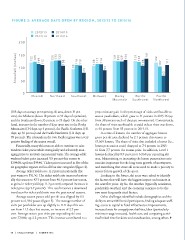
FIGURE 3: AVERAGE DAYS OPEN BY REGION, 2012/13 TO 2015/16

                        2012/13          2014/15
                        2013/14          2015/16

                   200

Snowfall (Inches)  150  122              130              99              108             131              131              122
                   100     125              133              116             117             130              125               107
                                119             133              110              114            129               108
                                    112              108                                              134                               111
                                                                      73              94                               141

                                                                                                                            62

                   50

                   0    Overall          Northeast Southeast Midwest                      Rocky            Pacific           Pacific

                                                                                          Mountain Southwest Northwest

(108 days on average per reporting ski area, down 19 per-                 proportionate gain in the percentage of visits attributable to
cent), the Midwest (down 18 percent to 94 days of operation),             season passholders, which grew to 41 percent in 2015-16 (up
and the Southeast (down 33 percent to 73 days). On the other              from 38 percent each of the past two seasons). Concurrently,
hand, increases in the number of days open rose in the Rocky              the share of visits attributable to paid tickets visits was down,
Mountains (134 days, up 4 percent), the Pacific Southwest (141            to 50 percent from 53 percent in 2014-15.
days, up 30 percent) and the Pacific Northwest (111 days, up
78 percent). The rebounds in the two Pacific regions was a very               In terms of lessons, the number of aggregate lessons
positive finding of the season overall.                                   given per ski area declined by 2.1 percent this season to
                                                                          19,665 lessons. The share of visits that included a lesson (i.e.,
    Financially, many ski areas are able to continue to raise             lesson penetration ratio) dropped to 7.4 percent in 2015-
window ticket prices while strategically and selectively man-             16 from 7.7 percent the season prior. In addition, Level 1
aging prices to motivate incremental visits. The average adult            lessons declined by 8.9 percent to 6,960 per reporting ski
weekend ticket price increased 9.5 percent this season to                 area. Maintaining or increasing the lesson penetration ratio
$109.08, up from $99.46. Ticket prices increased in five of the           remains important for the long-term growth of snowsports,
six geographic regions and in all four size categories (figure 4).        and something that more ski areas need to make a priority to
                                                                          ensure future growth of the sport.
    Average ticket yields rose 11.2 percent nationally this
past winter to $51.56. The ticket yield ratio increased nation-               Looking to the future, ski areas were asked to identify
ally this season to 47.3 percent from 46.6 percent last season,           the factors that will have the biggest impact on business in
as gains in ticket yield (up 11.2 percent) outpaced increases in          the next five years. By far, the weather (typically consistent,
ticket price (up 9.7 percent). This result reverses a downward            predictable weather) and the economy continue to be the
trend seen for ticket yield ratio over the past several seasons.          two most frequently cited factors.

    Average season passes sold per ski area slipped by 0.5                    Other challenges identified include demographics and the
percent to 6,594 passes (figure 5). The average number of                 ability to attract Millennial participants, finding adequate staff-
visits per passholder was up slightly to 11.8 days this sea-              ing, access to capital to fund infrastructure improvements,
son from 11.5 days last season, an increase of 2.7 per-                   increased costs for energy/power/utilities, labor (particularly
cent. Average season pass visits per responding ski area                  minimum wage increases), health care, and competing activi-
were 77,900, up 2.2 percent. This increase contributed to a               ties/limited time for skiers and snowboarders, among others.

28  |  NSAA JOURNAL  |  SUMMER 2016

