


Page 936 - Basic Electrical Engineering
P. 936
Conduit wiring consists of PVC wires taken through either steel conduit pipes
               or through PVC conduit pipes. Conduits are run over the surface of walls and
               ceiling or are concealed under masonery work. When conduits are run over

               the surface of walls, the wiring is called surface conduit wiring. When the
               conduits are run inside the walls, the wiring is called concealed conduit

               wiring. Surface conduit wiring is used in factories for installation of heavy
               motors and other electrical equipment. The system is water proof and

               replacement of defective wires is easy.


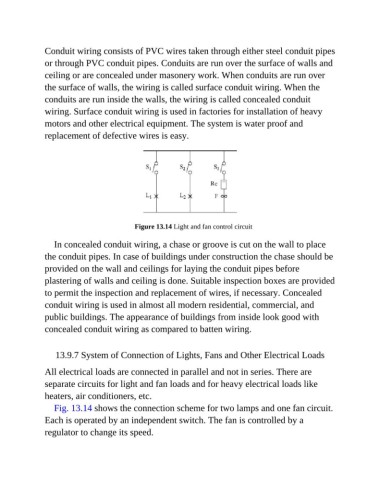
                                            Figure 13.14 Light and fan control circuit


                  In concealed conduit wiring, a chase or groove is cut on the wall to place
               the conduit pipes. In case of buildings under construction the chase should be

               provided on the wall and ceilings for laying the conduit pipes before
               plastering of walls and ceiling is done. Suitable inspection boxes are provided
               to permit the inspection and replacement of wires, if necessary. Concealed

               conduit wiring is used in almost all modern residential, commercial, and
               public buildings. The appearance of buildings from inside look good with

               concealed conduit wiring as compared to batten wiring.


                   13.9.7 System of Connection of Lights, Fans and Other Electrical Loads

               All electrical loads are connected in parallel and not in series. There are

               separate circuits for light and fan loads and for heavy electrical loads like
               heaters, air conditioners, etc.

                  Fig. 13.14 shows the connection scheme for two lamps and one fan circuit.
               Each is operated by an independent switch. The fan is controlled by a
               regulator to change its speed.

