


Page 324 - Demo
P. 324
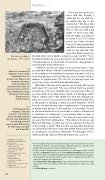
The Tower of Babel, anonymous, 16th century
6:6 Baptism is a sacrament of forgiveness of sins, but the baptized person is not immune to sin. Paul uses the metaphor of slavery, a common reality in the ancient world. No slave can have two masters, and those who are baptized no longer belong to sin, but to God. Giving in to sin is a form of slavery.
6:21 Paul frequently uses metaphors of law and economics. In this famous phrase, he makes the point that sin is a very bad bargain: the only wages one will receive is death. With God, on the other hand, come “gift” and “eternal life.”
e. [6:5] Phil 3:10–11; 2 Tm 2:11.
f. [6:6] Gal 5:24; 6:14; Eph 4:22–23.
g. [6:8] 1 Thes 4:17.
h. [6:9] Acts 13:34; 1 Cor 15:26;
2 Tm 1:10; Rev 1:18.
i. [6:10] Heb 9:26–28; 1 Pt 3:18.
j. [6:11] 2 Cor 5:15; 1 Pt 2:24.
k. [6:12] Gn 4:7.
l. [6:13] 12:1; Eph 2:5; 5:14 / Col 3:5.
m. [6:14] Gal 5:18; 1 Jn 3:6.
n. [6:15] 5:17, 21.
o. [6:16–18] Jn 8:32–36.
p. [6:16] Jn 8:31–34; 2 Pt 2:19.
q. [6:20] Jn 8:34.
r. [6:21] 8:6, 13; Prv 12:28; Ez 16:61, 63.
s. [6:22] 1 Pt 1:9.
t. [6:23] Gn 2:17; Gal 6:7–9; Jas 1:15.
312
ROMANS
5For if we have grown into union with him through a death like his, we shall also be united with him in the resurrection.e 6We know that our old self was cruci ed with him, so that our sinful body might be done away with, that we might no longer be in slavery to sin.f 7For a dead person has been absolved from sin. 8If, then, we have died with Christ, we believe that we shall also live with him.g 9We know that Christ, raised from
the dead, dies no more; death no longer has power over him.h 10As to his death, he died to sin once and for all; as to his life, he lives for God.i 11Consequently, you too must think of yourselves as [being] dead to sin and living for God in Christ Jesus.j
12* Therefore, sin must not reign over your mortal bodies so that you obey their desires.k 13And do not present the parts of your bodies to sin as weapons for wickedness, but present yourselves to God as raised from the dead to life and the parts of your bodies to God as weapons for righteousness.l 14For sin is not to have any power over you, since you are not under the law but under grace.m
15What then? Shall we sin because we are not under the law but under grace? Of course not!n 16Do you not know that if you present yourselves to someone as obedient slaves,o you are slaves of the one you obey, either of sin, which leads to death, or of obedience, which leads to righteousness?p 17But thanks be to God that, although you were once slaves of sin, you have become obedient from the heart to the pattern of teaching to which you were entrusted.* 18Freed from sin, you have become slaves of righteousness. 19I am speaking in human terms because of the weakness of your nature. For just as you presented the parts of your bodies as slaves to impurity and to lawlessness for lawlessness, so now present them as slaves to righteousness for sancti cation. 20q For when you were slaves of sin, you were free from righteousness.* 21But what pro t did you get then from the things of which you are now ashamed? For the end of those things is death.r 22But now that you have been freed from sin and have become slaves of God, the bene t that you have leads to sancti cation,* and its end is eternal life.s 23For the wages of sin is death, but the gift of God is eternal life in Christ Jesus our Lord.t
* [6:12–19] Christians have been released from the grip of sin, but sin endeavors to reclaim its victims. The antidote is constant remembrance that divine grace has claimed them and identi es them as people who are alive only for God’s interests.
* [6:17] In contrast to humanity, which was handed over to self-indulgence (Rom 1:24–32), believers are entrusted (“handed over”) to God’s pattern of teaching, that is, the new life God aims to develop in Christians through the productivity of the holy Spirit. Throughout this passage Paul uses the slave-master model in order to emphasize the fact that one cannot give allegiance to both God and sin.
* [6:20] You were free from righteousness: expressed ironically, for such freedom is really tyranny. The commercial metaphors in Rom 6:21–23 add up only one way: sin is a bad bargain.
* [6:22] Sancti cation: or holiness.


