


Page 38 - 71187_NSAA_FallJournal2016
P. 38
that its magazine recently featured a variety of trees found
                                                                                                on the ski trails, including the yellow birch, paper birch, and
                                                                                                sugar maple. The piece includes details on which trees grow
                                                                                                at various elevations and leaf sizes and colors.

                                                                                                    Smugglers’ winter nature programs include the Maple
                                                                                                Snowshoe Trek, which puts snowshoers on ski trails for a
                                                                                                guided tour through a variety of maple trees. Participants
                                                                                                learn to identify the trees and learn about the techniques
                                                                                                involved in maple sugaring. They leave with a sample of
                                                                                                syrup, an understanding of how it’s produced, and knowl-
                                                                                                edge of the trees that produce it. The trek is $48. A shorter,
                                                                                                family program related to maple trees is $25 per adult and
                                                                                                $15 per youth, and all prices include snowshoe equipment.

                                                                                                    Year round, Smugglers’ offers ArborTrek zip line canopy
                                                                                                tours with guides sharing insights on local ecology, natural
                                                                                                history, and tree identification. The tours start from a plat-
                                                                                                form in a large hemlock and follow a brook through mature
                                                                                                stands of hemlock, white birch, and maple. The cost during
                                                                                                winter is $87.50 plus taxes and fees.

                                                                                                    “There’s nothing like being up in the trees to encourage
                                                                                                interest in the forest,” noted Karen Boushie, public relations
                                                                                                director for Smugglers’ Notch Resort.

                                                                                                    Smugglers’ nature programs support increased visitation,
                                                                                                Boushie. “My sense is that folks on vacation at Smugglers’
                                                                                                are looking for a variety of experiences. The fall visitor who
                                                                                                learns about trees on the ArborTrek zip line may decide to
                                                                                                return and alpine or cross country ski in the winter,” she said.

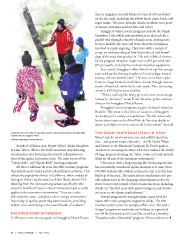
A guide discusses the origins of syrup with a captive audience participating in the Maple Walk  THE GREAT MATHEMATICIAN IN UTAH
naturalist tour at Smugglers’ Notch.                                                            Many Utah ski resorts promote tree and wildlife identifica-
                                                                                                tion—and general nature education—via Ski Utah’s “Math
COURTESY SMUGGLERS’ NOTCH RESORT                                                                and Science in the Mountains” program for fourth graders.
                                                                                                Teachers are encouraged to share with their students Ski Utah’s
    Another California area, Squaw Valley | Alpine Meadows                                      18-page program detailing the “water, rocks, trees and animals
at Lake Tahoe, offers a free kids’ mountain map denoting                                        (that) are all part of the mountain environment.”
on-mountain sites featuring educational information on
trees of the region and nature facts. The map is part of the                                        This ties in with a long-running Ski Utah program that
“Squaw Kids” and “Alpine Kids” learning programs.                                               has successfully introduced alpine snowsports to more than
                                                                                                100,000 students who widely acclaim the trip to be the best
    All these California ski areas also offer summer programs                                   field trip of the year. The materials are synchronized to pro-
that include nature hikes and tree identification activities. This                              vide information in the changing environments as the stu-
reflects the popularity of trees in California, where instead of                                dents’ buses travel toward Utah’s various ski areas, including
having an Arbor Day the state has Arbor Week, March 7-14.                                       details on “forested areas with mixed evergreen and decidu-
Wording from the arborweek.org website specifically refer-                                      ous trees to sub-alpine conifer forests.”
ences the benefits of trees to cities and towns but just as easily
applies to the mountain environment: “Trees are a valu-                                             Beyond programs for young students, many Utah ski
able economic asset…and play a role in energy conservation,                                     resorts offer nature programs targeted to adults. The Alta
improving air quality, protecting water resources, providing                                    Environmental Center, for example, offers a free “Ski with a
habitat, and contributing to the overall health of residents.”                                  Ranger” program on weekends and holidays on a groomed
                                                                                                run off the Sunnyside and Cecret lifts, as well as a monthly
THE SYRUP STORY IN VERMONT                                                                      “Snowshoe with a Naturalist” program. All tours deliver an
In Vermont, trees are so popular at Smugglers’ Notch Resort

36  |  NSAA JOURNAL  |  FALL 2016

