


Page 18 - Jurnal Penelitian MTsN 6 Jakarta
P. 18
readings with those from laboratory-
                                                                     grade  equipment.  This  test  is
                                                                     conducted      in    a     controlled
                                                                     environment to ensure precision.

                                                                     B. IoT System Testing
                                                                     This  test  assesses  the  device's
                                                                     capability  to  transmit  data  in  real
                                                                     time  to  the  mobile  application.
                                                                     Simulations  of  network  disruptions
                                                                     are  included  to  evaluate  the
                                                                     system's  reliability  under  varying
                                                                     conditions.

                                                                     2.4 Analysis of Results

                                                                     The results from the device testing

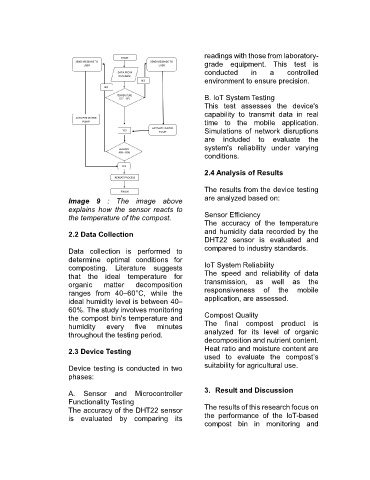
                        Image  9  :  The  image  above               are analyzed based on:
                        explains  how  the  sensor  reacts  to
                        the temperature of the compost.              Sensor Efficiency
                                                                     The  accuracy  of  the  temperature
                        2.2 Data Collection                          and humidity data recorded by the
                                                                     DHT22  sensor  is  evaluated  and
                        Data  collection  is  performed  to          compared to industry standards.
                        determine  optimal  conditions  for
                        composting.  Literature  suggests            IoT System Reliability
                        that  the  ideal  temperature  for           The  speed  and  reliability  of  data
                        organic    matter     decomposition          transmission,  as  well  as  the
                        ranges  from  40–60°C,  while  the           responsiveness  of  the  mobile
                        ideal humidity level is between 40–          application, are assessed.
                        60%. The study involves monitoring
                        the compost bin's temperature and            Compost Quality
                        humidity    every     five   minutes         The  final  compost  product  is
                        throughout the testing period.               analyzed  for  its  level  of  organic
                                                                     decomposition and nutrient content.
                        2.3 Device Testing                           Heat ratio and moisture content are
                                                                     used  to  evaluate  the  compost’s
                        Device testing is conducted in two           suitability for agricultural use.
                        phases:

                        A.  Sensor  and  Microcontroller             3.  Result and Discussion
                        Functionality Testing
                        The accuracy of the DHT22 sensor             The results of this research focus on
                        is  evaluated  by  comparing  its            the  performance  of  the  IoT-based
                                                                     compost  bin  in  monitoring  and

