


Page 503 - Business Principles and Management
P. 503
Unit 5


                                                                               steps to improve security. For example, if
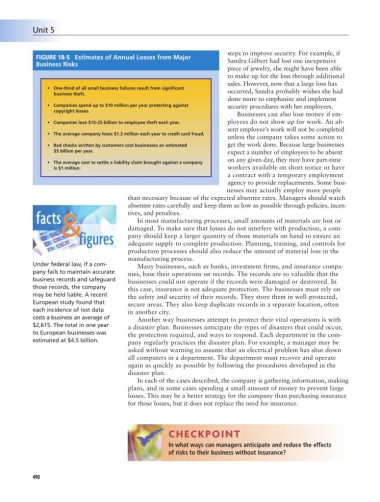
                   FIGURE 18-5 Estimates of Annual Losses from Major           Sandra Gilbert had lost one inexpensive
                   Business Risks
                                                                               piece of jewelry, she might have been able
                                                                               to make up for the loss through additional
                                                                               sales. However, now that a large loss has
                      •   One-third of all small business failures result from significant
                           business theft.                                     occurred, Sandra probably wishes she had
                                                                               done more to emphasize and implement
                      •   Companies spend up to $10 million per year protecting against  security procedures with her employees.
                           copyright losses.
                                                                                  Businesses can also lose money if em-
                      •   Companies lose $15-25 billion to employee theft each year.  ployees do not show up for work. An ab-
                                                                               sent employee’s work will not be completed
                      •   The average company loses $1.3 million each year to credit card fraud.
                                                                               unless the company takes some action to
                      •   Bad checks written by customers cost businesses an estimated   get the work done. Because large businesses
                           $5 billion per year.                                expect a number of employees to be absent
                                                                               on any given day, they may have part-time
                      •   The average cost to settle a liability claim brought against a company
                           is $1 million.                                      workers available on short notice or have
                                                                               a contract with a temporary employment
                                                                               agency to provide replacements. Some busi-
                                                                               nesses may actually employ more people
                                                than necessary because of the expected absentee rates. Managers should watch
                                                absentee rates carefully and keep them as low as possible through policies, incen-
                   facts   &                    tives, and penalties.
                                                   In most manufacturing processes, small amounts of materials are lost or
                                                damaged. To make sure that losses do not interfere with production, a com-
                                figures         pany should keep a larger quantity of those materials on hand to ensure an
                                                adequate supply to complete production. Planning, training, and controls for
                                                production processes should also reduce the amount of material loss in the
                                                manufacturing process.
                  Under federal law, if a com-     Many businesses, such as banks, investment firms, and insurance compa-
                  pany fails to maintain accurate  nies, base their operations on records. The records are so valuable that the
                  business records and safeguard  businesses could not operate if the records were damaged or destroyed. In
                  those records, the company    this case, insurance is not adequate protection. The businesses must rely on
                  may be held liable. A recent  the safety and security of their records. They store them in well-protected,
                  European study found that     secure areas. They also keep duplicate records in a separate location, often
                  each incidence of lost data   in another city.
                  costs a business an average of   Another way businesses attempt to protect their vital operations is with
                  $2,615. The total in one year   a disaster plan. Businesses anticipate the types of disasters that could occur,
                  to European businesses was    the protection required, and ways to respond. Each department in the com-
                  estimated at $4.5 billion.    pany regularly practices the disaster plan. For example, a manager may be
                                                asked without warning to assume that an electrical problem has shut down
                                                all computers in a department. The department must recover and operate
                                                again as quickly as possible by following the procedures developed in the
                                                disaster plan.
                                                   In each of the cases described, the company is gathering information, making
                                                plans, and in some cases spending a small amount of money to prevent large
                                                losses. This may be a better strategy for the company than purchasing insurance
                                                for those losses, but it does not replace the need for insurance.


                                                             CHECKPOINT

                                                             In what ways can managers anticipate and reduce the effects
                                                             of risks to their business without insurance?


                  490

