


Page 194 - Demo
P. 194
q. [24:34] 1 Cor 15:4–5.
r. [24:36–53] Mk 16:14–19; Jn 20:19–20.
s. [24:36] 1 Cor 15:5.
t. [24:37] Mt 14:26.
u. [24:40–41] Jn 21:5, 9–10, 13.
v. [24:42] Acts 10:41.
w. [24:44] 18:31; 24:27; Mt 16:21; Jn 5:39, 46.
x. [24:45] Jn 20:9.
y. [24:46] 9:22; Is 53; Hos 6:2.
z. [24:47] Mt 3:2; 28:19–20; Mk 16:15–16;
Acts 10:41.
a. [24:48] Acts 1:8.
b. [24:49] Jn 14:26; Acts 1:4; 2:3–4.
c. [24:50–51] Mk 16:19; Acts 1:9–11.
d. [24:52] Acts 1:12.
182
LUKE
preached in his name to all the nations, beginning from Jerusalem.z 48You are witnesses of these things.a 49And [behold] I am sending the promise of my Father* upon you; but stay in the city until you are clothed with power from on high.”b
The Ascension.* 50c Then he led them [out] as far as Bethany, raised his hands, and blessed them. 51As he blessed them he parted from them and was taken up to heaven. 52They did him homage and then returned to Jerusalem with great joy,d 53and they were continually in the temple praising God.*
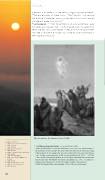
The Ascension, by Gustave Doré (1866)
* [24:49] The promise of my Father: i.e., the gift of the holy Spirit.
* [24:50–53] Luke brings his story about the time of Jesus to a close with the report of
the ascension. He will also begin the story of the time of the church with a recounting of the ascension. In the gospel, Luke recounts the ascension of Jesus on Easter Sunday night, thereby closely associating it with the resurrection. In Acts 1:3, 9–11; 13:31 he historicizes the ascension by speaking of a forty-day period between the resurrection and the ascension. The Western text omits some phrases in Lk 24:51, 52 perhaps to avoid any chronological con ict with Acts 1 about the time of the ascension.
* [24:53] The Gospel of Luke ends as it began (Lk 1:9), in the Jerusalem temple.


