


Page 195 - Demo
P. 195
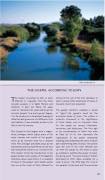
The Jordan River
THE GOSPEL ACCORDING TO JOHN
The Gospel according to John is quite different in character from the three synoptic gospels. It is highly literary and symbolic. It does not follow the same order or reproduce the same stories as the synoptic gospels. To a much greater degree, it is the product of a developed theological reflection and grows out of a different circle and tradition. It was probably written in the 90s of the first century.
The Gospel of John begins with a magni- ficent prologue, which states many of the major themes and motifs of the gospel, much as an overture does for a musical work. The prologue proclaims Jesus as the preexistent and incarnate Word of God who has revealed the Father to us. The rest of the first chapter forms the introduction to the gospel proper and consists of the Baptist’s testimony about Jesus (there is no baptism of Jesus in this gospel—John simply points him out as the Lamb of God), followed by
stories of the call of the first disciples, in which various titles predicated of Jesus in the early church are presented.
The gospel narrative contains a series of “signs”—the gospel’s word for the wondrous deeds of Jesus. The author is primarily interested in the significance of these deeds, and so interprets them for the reader by various reflections, narratives, and discourses. The first sign is the transformation of water into wine at Cana (Jn 2:1–11); this represents the replacement of the Jewish ceremonial washings and symbolizes the entire creative and transforming work of Jesus. The second sign, the cure of the royal official’s son (Jn 4:46–54) simply by the word of Jesus at a distance, signifies the power of Jesus’ life-giving word. The same theme is further developed by other signs, probably for a total of seven. The third sign, the cure of the paralytic at the pool with five porticoes
183


