


Page 93 - Handout Computer Network.
P. 93
Computer Network                                                             2021


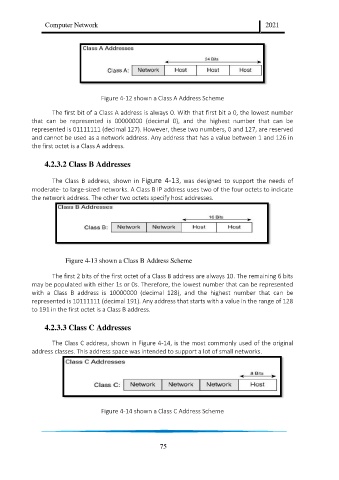
                                     Figure 4-12 shown a Class A Address Scheme

                   The first bit of a Class A address is always 0. With that first bit a 0, the lowest number
            that  can  be  represented  is  00000000  (decimal  0),  and  the  highest  number  that  can  be
            represented is 01111111 (decimal 127). However, these two numbers, 0 and 127, are reserved
            and cannot be used as a network address. Any address that has a value between 1 and 126 in
            the first octet is a Class A address.


                  4.2.3.2 Class B Addresses


                   The  Class  B  address,  shown  in Figure 4-13,  was  designed  to  support  the  needs  of
            moderate- to large-sized networks. A Class B IP address uses two of the four octets to indicate
            the network address. The other two octets specify host addresses.


                        Figure 4-13 shown a Class B Address Scheme


                   The first 2 bits of the first octet of a Class B address are always 10. The remaining 6 bits
            may be populated with either 1s or 0s. Therefore, the lowest number that can be represented
            with  a  Class  B  address  is  10000000  (decimal  128),  and  the  highest  number  that  can  be
            represented is 10111111 (decimal 191). Any address that starts with a value in the range of 128
            to 191 in the first octet is a Class B address.


                  4.2.3.3 Class C Addresses

                   The Class C address, shown in Figure 4-14, is the most commonly used of the original
            address classes. This address space was intended to support a lot of small networks.


                                     Figure 4-14 shown a Class C Address Scheme


                                                         75

