


Page 332 - American Stories, A History of the United States
P. 332
Read the Document  Thomas corwin, Speech Against the Mexican War (1847)                         13.1

                                                                           U.S. troop
                           0     200    400 miles                          movements                                       13.2
                           0   200  400 kilometers
                                                                           U.S. victories
                               OREGON COUNTRY
                                                                           Mexican victories
                                                                           Boundary of territory
                                                                           ceded by Mexico, 1848
                        Bear Flag Revolt                  UNORGANIZED
                        June 14, 1846                       TERRITORY
                         San Francisco                            Ft. Leavenworth    ILL.
                         occupied July 10, 1846                             Missouri R.
                          Monterey          Colorado R.            Kearny       MO.
                          occupied July 7, 1846                                          KY.
                               San Gabriel       Santa Fe             Arkansas R.      TENN.
                                                 occupied
                               Jan. 8, 1847   Aug. 16, 1846
                                                                                ARK.
                                  San Pasqual  M
                       Stockton
                                  Dec. 6, 1846                          Red R.        Mississippi R.
                          San Diego           Gila R.     Disputed
                                     Kearny   E             Area                      MISS.
                                                      El Brazito
                                                      Dec. 25, 1846  TEXAS       LA.
                       PACIFIC               X
                       OCEAN             Sacramento River                       New Orleans
                                            Feb. 27, 1847  Rio Grande   Nueces
                                                                       R.
                                                I
                                                Chihuahua                Corpus     Scott
                    Detail Map                    C     Doniphan   Wool   Taylor  Christi
                                                                             Palo Alto
                        Guadalupe Hidalgo                                    May 8, 1846
                                                     O
                          Chapultepec                   Buena Vista  Monterrey  Matamoros
                         Sept. 13, 1847              Feb. 22–23, 1847  Sept. 21–24, 1846
                                   Mexico City                                 Gulf of Mexico
                         El Molino
                          del Rey   Churubusco                           Tampico
                       Sept. 8, 1847  Aug. 20, 1847                      occupied Nov. 14, 1846
                       Contreras
                     Aug. 20, 1847                              Cerro Gordo
                                                             April 17–18, 1847
                       0   5 miles                                          Veracruz
                                                            Mexico City     occupied Mar. 29, 1847
                       0  5 kilometers                      (detail map)
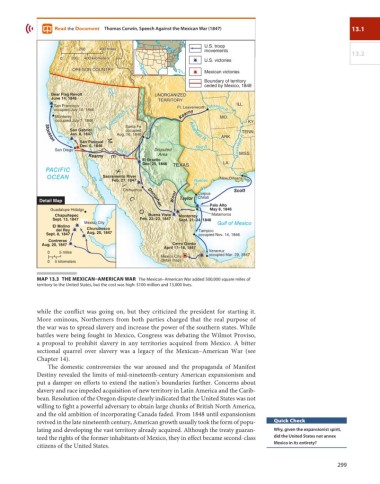
                    mAP 13.3  tHe mexicAn–AmeRicAn WAR  the Mexican–American War added 500,000 square miles of
                    territory to the United states, but the cost was high: $100 million and 13,000 lives.


                    while the conflict was going on, but they criticized the president for starting it.
                    More ominous, Northerners from both parties charged that the real purpose of
                    the war was to spread slavery and increase the power of the southern states. While
                    battles were being fought in Mexico, Congress was debating the Wilmot Proviso,
                    a   proposal  to prohibit slavery in any territories acquired from Mexico. A bitter
                      sectional   quarrel  over slavery was a legacy of the Mexican–American War (see
                    Chapter 14).
                       The domestic controversies the war aroused and the propaganda of Manifest
                      Destiny revealed the limits of mid-nineteenth-century American expansionism and
                    put a damper on efforts to extend the nation’s boundaries further. Concerns about
                    slavery and race impeded acquisition of new territory in Latin America and the Carib-
                    bean. Resolution of the Oregon dispute clearly indicated that the United States was not
                    willing to fight a powerful adversary to obtain large chunks of British North America,
                    and the old ambition of incorporating Canada faded. From 1848 until expansionism
                    revived in the late nineteenth century, American growth usually took the form of popu-  Quick Check
                    lating and developing the vast territory already acquired. Although the treaty guaran-  Why, given the expansionist spirit,
                    teed the rights of the former inhabitants of Mexico, they in effect became second-class   did the United States not annex
                    citizens of the United States.                                                Mexico in its entirety?


                                                                                                                       299

