


Page 29 - Handout of Computer Architecture (1)..
P. 29
And, with some modifications and extensions, the architecture of the 360 remains to this day the
               architecture of IBM’s mainframe9 computers. Examples using this architecture can be found

               throughout this text. The System/360 was the industry’s first planned family of computers. The
               family covered a wide range of performance and cost. The models were compatible in the


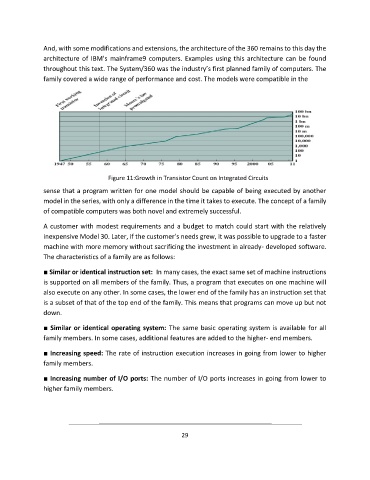
                                     Figure 11:Growth in Transistor Count on Integrated Circuits

               sense that a program written for one model should be capable of being executed by another
               model in the series, with only a difference in the time it takes to execute. The concept of a family
               of compatible computers was both novel and extremely successful.

               A customer with modest requirements and a budget to match could start with the relatively
               inexpensive Model 30. Later, if the customer’s needs grew, it was possible to upgrade to a faster
               machine with more memory without sacrificing the investment in already- developed software.
               The characteristics of a family are as follows:

               ■ Similar or identical instruction set:  In many cases, the exact same set of machine instructions

               is supported on all members of the family. Thus, a program that executes on one machine will
               also execute on any other. In some cases, the lower end of the family has an instruction set that
               is a subset of that of the top end of the family. This means that programs can move up but not
               down.

               ■ Similar or identical operating system:  The same basic operating system is available for all
               family members. In some cases, additional features are added to the higher- end members.

               ■ Increasing speed: The rate of instruction execution increases in going from lower to higher
               family members.

               ■ Increasing number of I/O ports: The number of I/O ports increases in going from lower to

               higher family members.


                                                             29

