


Page 21 - Handout of Computer Architecture (1)..
P. 21
Why the indirection? These operations are controlled by electronic circuitry and result in the use
               of data paths. To simplify the electronics, there is only one register that is used to specify the

               address in memory for a read or write and only one register used for the source or destination.


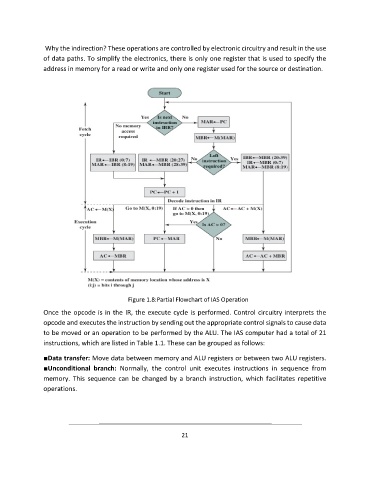
                                           Figure 1.8:Partial Flowchart of IAS Operation

               Once the opcode is in the IR, the execute cycle is performed. Control circuitry interprets the
               opcode and executes the instruction by sending out the appropriate control signals to cause data
               to be moved or an operation to be performed by the ALU. The IAS computer had a total of 21
               instructions, which are listed in Table 1.1. These can be grouped as follows:

               ■Data transfer: Move data between memory and ALU registers or between two ALU registers.
               ■Unconditional  branch:  Normally,  the  control  unit  executes  instructions  in  sequence  from
               memory.  This  sequence  can  be  changed  by  a  branch  instruction,  which  facilitates  repetitive

               operations.


                                                             21

