


Page 42 - Handout Computer Network.
P. 42
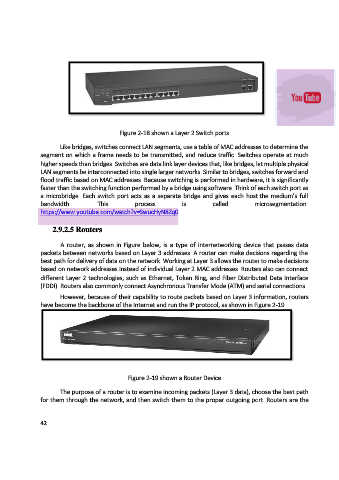
Figure 2-18 shown a Layer 2 Switch ports

                      Like bridges, switches connect LAN segments, use a table of MAC addresses to determine the
               segment on which a frame needs to be transmitted, and reduce traffic. Switches operate at much
               higher speeds than bridges. Switches are data link layer devices that, like bridges, let multiple physical
               LAN segments be interconnected into single larger networks. Similar to bridges, switches forward and
               flood traffic based on MAC addresses. Because switching is performed in hardware, it is significantly
               faster than the switching function performed by a bridge using software. Think of each switch port as
               a microbridge. Each switch port acts as a separate bridge and gives each host the medium’s full
               bandwidth.           This         process          is         called          microsegmentation.
               https://www.youtube.com/watch?v=SwucHyN8Zq0


                     2.9.2.5 Routers


                      A  router,  as  shown  in  Figure  below,  is  a  type  of  internetworking  device  that  passes  data
               packets between networks based on Layer 3 addresses. A router can make decisions regarding the
               best path for delivery of data on the network. Working at Layer 3 allows the router to make decisions
               based on network addresses instead of individual Layer 2 MAC addresses. Routers also can connect
               different Layer 2 technologies, such as Ethernet, Token Ring, and Fiber Distributed Data Interface
               (FDDI). Routers also commonly connect Asynchronous Transfer Mode (ATM) and serial connections.

                      However, because of their capability to route packets based on Layer 3 information, routers
               have become the backbone of the Internet and run the IP protocol, as shown in Figure 2-19.


                                               Figure 2-19 shown a Router Device

                      The purpose of a router is to examine incoming packets (Layer 3 data), choose the best path
               for them through the network, and then switch them to the proper outgoing port. Routers are the


               42

