


Page 87 - M. Abrahim Thesis
P. 87
Computer Network                                                             2021


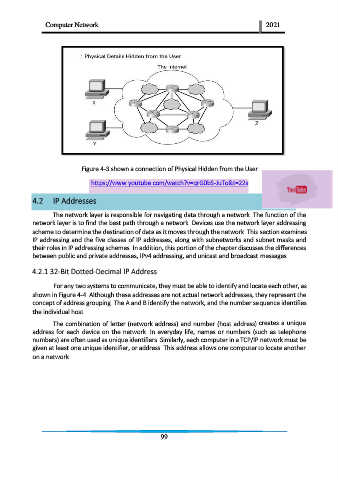
                             Figure 4-3 shown a connection of Physical Hidden from the User


                                 https://www.youtube.com/watch?v=qrG0bS-JuTo&t=22s


            4.2   IP Addresses
                   The network layer is responsible for navigating data through a network. The function of the
            network layer is to find the best path through a network. Devices use the network layer addressing
            scheme to determine the destination of data as it moves through the network. This section examines
            IP addressing and the five classes of IP addresses, along with subnetworks and subnet masks and
            their roles in IP addressing schemes. In addition, this portion of the chapter discusses the differences
            between public and private addresses, IPv4 addressing, and unicast and broadcast messages.

            4.2.1 32-Bit Dotted-Decimal IP Address

                   For any two systems to communicate, they must be able to identify and locate each other, as
            shown in Figure 4-4. Although these addresses are not actual network addresses, they represent the
            concept of address grouping. The A and B identify the network, and the number sequence identifies
            the individual host.
                   The combination of letter (network address) and number (host address) creates a unique
            address for each device on the network. In everyday life, names or numbers (such as telephone
            numbers) are often used as unique identifiers. Similarly, each computer in a TCP/IP network must be
            given at least one unique identifier, or address. This address allows one computer to locate another
            on a network.


                                                         99

