


Page 214 - 72193
P. 214
186
 די קרפ
                                              Preface
 םייח ץפח
 Chafetz Chayim  הרימשה תבוח סרטנוק  ?הָּתָחוּנְמ םוֹקְמִל הָלְעַמְל תוֹלֲעַל  .ג"ַמְסַּבּ בוּתָכֶּשׁ וֹמְכּ ,"ךָיֶהלֱֹא 'ה תֶא חַכְּשִׁתּ ןֶפּ   'ד תוֹבָא( תוֹבָאְבּ אָתיִאְו .וֹתָצקְ תֶא וֹתָצקְ לַכאֹיְו ,הָעֵלוֹתְו   תוֹכְלִהֵמ 'ב קרֶֶפְבּ ם"ַבְּמרַָה ןוֹשְׁל הֶזְו .דֹאְמ דֹאְמ הָעוּרְגַּה   הָדִּמַּה  וֹזִּמ  םָדָאָה  רֵהָזִּי
  Kuntres Chovat HaShemirah      הרימשה תבוח סרטנוק
 14  chapter                            די קרפ
 th
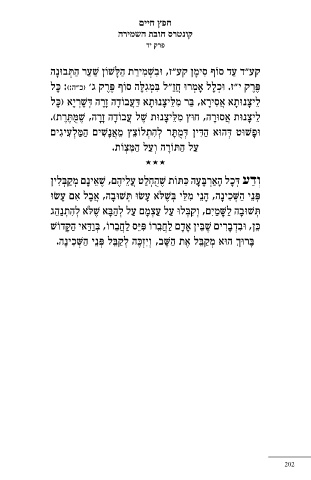
 – Everyone who descends into Gehinnom will eventually come    הָנוּבְתַּה רַעַשׁ ןוֹשָׁלַּה תרַיִמְשִׁבוּ ,ז"עק ןָמיִס ףוֹס דַע ד"עק
 out except for three kinds of people, as follows:  One who has
 intimate relations with another man’s wife, one who embarrasses    לָכּ :):ה"כ( 'ג קרֶֶפּ ףוֹס הָלִּגְמִבּ ל"ַזֲח וּרְמָא לָלְכוּ .ז"י קרֶֶפּ
 his fellow Jew in public and one who coins a nickname \ a bad    לָכּ( אָירְָשְׁדּ הרָָז הָדוֹבֲעַדּ אָתוּנָציֵלִּמ רַבּ ,ארָיִסֲא אָתוּנָציֵל
 name  to  his  fellow  Jew,  meaning  his  intent  was  to  degrade
 him.  The gemara asks: Is calling him a bad name the same as    .)תרֶֶתֻּמֶּשׁ ,הרָָז הָדוֹבֲע לֶשׁ תוּנָציֵלִּמ ץוּח ,הרָוּסֲא תוּנָציֵל
 embarrassing  him?   And  the  gemara  answers:  We  are  talking    םיִגיִעְלַמַּה םיִשָׁנֲאֵמ ץֵצוֹלְתִהְל רָתֻּמְדּ ןיִדַּה אוּהְדּ טוּשָׁפוּ
 about a victim who is accustomed to that name and it does not
 embarrass him, but since this speaker called him by that name   .תוְֹצִמַּה לַעְו הרָוֹתַּה לַע
 with  intent  to  demean  him  (Rashi)  the  speaker  will  remain  in   ש ש ש
 Gehinnom.  The gemara further says in that citation – “One who
 publicly embarrasses his fellow Jew will have no share in Olam    ןיִלְבּקְַמ םָניֵאֶשׁ ,םֶהיֵלֲע טַלְחֻהֶשׁ תוֹתִּכּ הָעָבּרְַאָה לָכְדּ עַדְו
 Haba (lit., causes his fellow Jew’s face to blanch white).  They    וּשָׂע םִא לָבֲא ,הָבוּשְׁתּ וּשָׂע אלֶֹּשְׁבּ יֵלִּמ יֵנָה ,הָניִכְשַּׁה יֵנְפּ
 further said these things:  It is better for a person to throw himself
 into a fiery furnace and not embarrass his fellow Jew in public.     גֵהַנְתִהְל אלֶֹּשׁ אָבַּהְל לַע םָמְצַע לַע וּלְבּקְִו ,םִיַמָשַּׁל הָבוּשְׁתּ
 Where is the source for this teaching?  [Answer] Tamar, as the    שׁוֹדָקַּה יאַדַּוְבּ ,וֹרֵבֲחַל סֵיִּפּ וֹרֵבֲחַל םָדָא ןיֵבֶּשׁ םירִָבדְִבוּ ,ןֵכּ
 pasuk states (Beresheet 38:25) “she was taken out (by the Beit
 Din) to be burned yet she said nothing in her defense and instead   .הָניִכְשַּׁה יֵנְפּ לֵבּקְַל הֶכְּזִיְו ,בָשַּׁה תֶא לֵבּקְַמ אוּה ךְוּרָבּ
 sent back to her father-in-law the security items given to her at
 the time of her relations, saying “I am pregnant from the giver
 of these gifts.”  If he would admit his deed good and well, but if
 not, she was prepared to be burnt and not disclose his identity.
 From all of this, a wise person will ponder how careful he must
 be in talking about his fellow Jew and not come to the point of
 embarrassing him which is a Lav of the Torah even if his remarks
 are made in private and especially if his remarks to the victim are
 made in the company of other people.  One will find very often
 that when people get together in casual conversation, one will
 make a comment to his friend jokingly and his friend’s face will
 blanch white in embarrassment.  With just a simple off-handed
 remark a person can lose his share in Olam Haba.  Anyone with
 foresight will therefore discipline the words that come out of his
 mouth.  And when he gets the urge to launch a joke that might
 embarrass his friend, he should first put a muzzle over his mouth.
 For this reason Shelomo HaMelech wrote in Mishle (23:2) “and


 191                                                                          202

