


Page 280 - 72193
P. 280
252
 9
 ב קרפ
 םייח ץפח
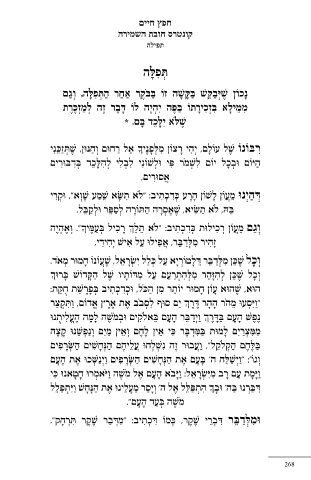
 Chafetz Chayim  םימש דובכ סרטנוק  .תֶמֱאָה תוֹארְֵמ םָדָא  ."ךֶָטְפָשְׁב ה ּ ֶכְז ּ ִת ךָרְֶבָד ּ ְב  .):ג"ל ת ּ ָבַשׁ( רֵמוֹגּ ה ּ ֶפ - ךְ ּ ֵתַחְמ ןוֹשָׁלְו ,ןיִבֵמ   םוּיּקִ ּ ְב  'ה  ךְרֶדֶ ּ ְב  ךְֵליֵל  הֶצוֹרָה  ,שׁיִאָה  לֶשׁ  וֹרְשָׁא  לדֶֹּג   תֶא םירִָמֲאַמ םיִע ּ ָברְַאָה וּלֵּא ּ ְב ל ּ ֹכַה יֵנְפִל וּניֵארְֶה הֵנִּה
  Kuntres Kevod Shamayim         הרימשה תבוח סרטנוק
 nd
 2  chapter                              הליפת
 (hence the expression “I have a gut feeling”), the heart imparts   הָלִּפְתּ
 understanding (to that thought), one’s tongue articulates it and
 one’s mouth concludes it (Gemara Shabbat 33b).
                  םַגְו  ,הָלִּפְתַּה  רַחַא  רקֶֹּבַבּ  וֹז  הָשָׁקַּבּ  שֵׁקַּבְיֶּשׁ  ןוֹכָנ
 [ 19 ]  Whoever has an understanding heart can now ponder the    תרֶֶכְּזַמְל  הֶז  רָבָדּ  וֹל  הֶיְהִי  הֶפַּבּ  וֹתרָיִכְזִבּ  אָליֵמִּמ
 magnitude of this esur, that apart from the Torah addressing the
 issue of one’s speech with many Laveen and Aseen, as I explained   * .םָבּ דֵכָלִּי אלֶֹּשׁ
 in the Introduction to Sefer Chafetz Chayim, this person will also
 invoke upon himself the curses of the Torah that are among the    יִנ ֵּכַז ְּ ת ֶ ׁש ,ןּוּנ ַח ְו םּוח ַר ל ֵא ךיֶנ ָפ ְּ ל ִמ ןֹוצ ָר י ִהְי ,ם ָלֹוע ל ֶ ׁש ֹונֹו ּב ִר
                                       ָ
 twelve curses described in perashat Ki Tavoh, as the pasuk states
 (Devarim  27:24)  “Cursed  is  the  one  who  secretly  strikes  his    םי ִרּו ּב ִד ְּב  ד ֵכ ָּ ל ִה ְל  י ִל ְב ִל  יִנֹו ׁש ְלּו  י ִּפ  רֹמ ְ ׁש ִל  םֹוי  ל ָכ ְבּו  םֹוּי ַה
 fellow Jew,” a curse which evolves from the sin of Lashon Hara    ,םי ִרּוס ֲא
 as Rashi explains there.  (Furthermore) The statement of Chazal
 in  Gemara  Shvu’ot  (36a)  is  well  known,  (this  person  invokes    י ִר ְקּו ,"א ְו ָ ׁש ע ַמ ֵ ׁש א ָּ ׂש ִת אֹל" :בי ִת ְכ ִד ְּכ ע ָר ָה ןֹו ׁש ָל ןֹו ֲע ֵמ ּונְי ַה ְּד
 upon himself an) “Arur” (a curse), a “Klalah” (a misfortune or
 calamity), and a Niduy (an ostracism or excommunication).  In    .ל ֵּב ַק ְלּו ר ֵּפ ַס ְל ה ָרֹו ּ ת ַה ה ָר ְס ָא ֶ ׁש ,אי ִּ ׂש ַת אֹל , ּ ה ֵּב
 addition, each curse was preceded by an expression of blessings   ָ  ְ
 to  whoever  would  not  transgress  these  commandments,  as    הֶי ְה ֶא ְו ."ךי ֶּמ ַע ְּב לי ִכ ָר ך ֵל ֵת אֹל" :בי ִת ְכ ִד ְּכ תּולי ִכ ְר ןֹו ֲע ֵמ ם ַג ְו
 Chazal have taught (Gemara Sotah 37b).  Thus, it is especially    ,י ִדי ִחְי  ׁשי ִא ל ַע ּולי ִפ ֲא ,ר ֵּב ַד ְּ ל ִמ רי ִהָז
 proper and very appropriate to be fearful of the Torah’s “arurim”
 \ curses and to seek out those Berachot that enhance one’s wealth    .דֹא ְמ רּומ ָח ֹונֹו ֲע ֶ ׁש ,ל ֵא ָר ְׂשִי ל ַל ְּכ ל ַע אָי ְרֹוט ָל ֵּד ר ֵּב ַד ְּ ל ִמ ן ֵּכ ֶ ׁש ל ָכ ְו
 and good things, as the pasuk states (Mishle 10:22) “It is (only)    ךּור ָּב   ׁשֹוד ָּק ַה  ל ֶ ׁש  וי ָתֹו ּד ִמ  ל ַע  ם ֵע ַר ְת ִה ְּ ל ִמ  ר ֵהָּז ִה ְל  ן ֵּכ ֶ ׁש  ל ָכ ְו
               ְ
 Hashem’s blessings that will enrich.”  However, the Yetzer Hara
 blinds man’s eyes and he cannot see the truth.   :ת ַּק ֻח ת ַ ׁש ָר ָפ ְּב בי ִת ְכ ִד ְכּו ,ל ֹּכ ַה ן ִמ ר ֵתֹוי רּומ ָח ןֹו ָע אּוה ֶ ׁש ,אּוה
                                                   ְ
 [  20  ]    The  Sifri  relates  the  following  in  commenting  on  the    ר ַצ ְק ִּ ת ַו ,םֹוד ֱא ץ ֶר ֶא ת ֶא בֹב ְס ִל ףּוס םַי ך ֶר ֶּד ר ָה ָה רֹה ֵמ ּוע ְסִּי ַו"
                                                         ְ
 pasuk (Devarim 32:4) “A just Gd with no iniquity.”  When man    ּונ ֻתי ִל ֱע ֶה ה ָמ ָל ה ֶ ׁשֹמ ְבּו םי ִקֹלא ֵּב ם ָע ָה ר ֵּב ַדְי ַו ך ֶר ָּד ַּב ם ָע ָה  ׁש ֶפֶנ
 passes on from this world, all of his deeds and actions assemble    ה ָצ ָק  ּונ ֵ ׁש ְפַנ ְו  םִי ַמ  ןי ֵא ְו  ם ֶח ֶל  ןי ֵא  י ִּכ  ר ָּב ְד ִּמ ַּב  תּומ ָל  םִי ַר ְצ ִּמ ִמ
 before him and say – This is what you did on such-and-such a
 day, and this person responds - “Yes.”  They tell him to sign (to    םי ִפ ָר ְּ ׂש ַה םי ִ ׁש ָחְּנ ַה ם ֶהי ֵל ֲע ּוח ְל ְ ׁשִנ הֶז רּוב ֲע ַו ,"ל ֵקֹל ְק ַה ם ֶח ֶּ ל ַּב
 validate  the  testimony  describing  his  actions  for  that  day),  as    ם ָע ָה ת ֶא ּוכ ְּׁשַנְי ַו םי ִפ ָר ְּ ׂש ַה םי ִ ׁש ָחְּנ ַה ת ֶא ם ָע ָּב 'ה ח ַּ ל ַ ׁשְי ַו" ;'ֹוג ְו
 the pasuk states (Eyov 37:7) “The hand of each man will sign.”
 He (Hashem) is “just and righteous” – that man will accept the    י ִּכ ּונא ָט ָח ּור ְמאֹּי ַו ה ֶ ׁשֹמ ל ֶא ם ָע ָה אֹבָּי ַו :ל ֵא ָר ְׂשִּי ִמ ב ָר ם ַע ת ָמָּי ַו
                                                          ְ
 justice of his sentence and say: “You judged me correctly,” as the    ל ֵל ַּפ ְתִּי ַו  ׁש ָחָּנ ַה ת ֶא ּוני ֵל ָע ֵמ ר ֵסָי ְו 'ה ל ֶא ל ֵּ ל ַּפ ְת ִה ך ָבּו 'ה ַּב ּונ ְר ַּב ִּד
 pasuk relates (Tehilim 51:6) “therefore You are justified when
 You speak, vindicated when You judge.”   ."ם ָע ָה ד ַע ְּב ה ֶ ׁשֹמ

 In  these  forty  statements  we  have  presented  to  all  the  great    ."ק ָח ְר ִּ ת  ר ֶק ֶ ׁש  ר ַב ְּד ִמ"  :בי ִת ְכ ִּד  ֹומ ְּכ  ,ר ֶק ֶ ׁש  י ֵר ְב ִּד  ר ֵּב ַד ְּל ִמּו


 253                                                                          268

