


Page 119 - Handout of Computer Architecture (1)..
P. 119
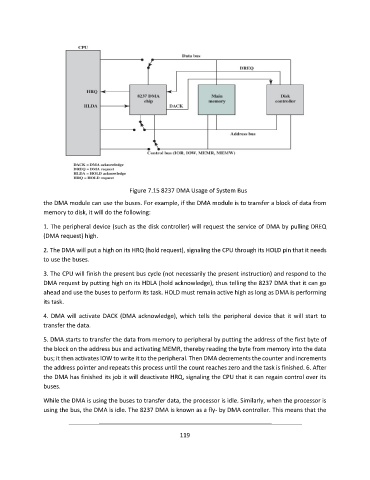
Figure 7.15 8237 DMA Usage of System Bus
               the DMA module can use the buses. For example, if the DMA module is to transfer a block of data from
               memory to disk, it will do the following:

               1. The peripheral device (such as the disk controller) will request the service of DMA by pulling DREQ
               (DMA request) high.

               2. The DMA will put a high on its HRQ (hold request), signaling the CPU through its HOLD pin that it needs
               to use the buses.

               3. The CPU will finish the present bus cycle (not necessarily the present instruction) and respond to the
               DMA request by putting high on its HDLA (hold acknowledge), thus telling the 8237 DMA that it can go
               ahead and use the buses to perform its task. HOLD must remain active high as long as DMA is performing
               its task.
               4. DMA will activate DACK (DMA acknowledge), which tells the peripheral device that it will start to
               transfer the data.

               5. DMA starts to transfer the data from memory to peripheral by putting the address of the first byte of
               the block on the address bus and activating MEMR, thereby reading the byte from memory into the data
               bus; it then activates IOW to write it to the peripheral. Then DMA decrements the counter and increments
               the address pointer and repeats this process until the count reaches zero and the task is finished. 6. After
               the DMA has finished its job it will deactivate HRQ, signaling the CPU that it can regain control over its
               buses.

               While the DMA is using the buses to transfer data, the processor is idle. Similarly, when the processor is
               using the bus, the DMA is idle. The 8237 DMA is known as a fly- by DMA controller. This means that the


                                                             119

