


Page 232 - 72193
P. 232
236
 .א ּ ָבַה
 א קרפ
                                              Preface
 םייח ץפח
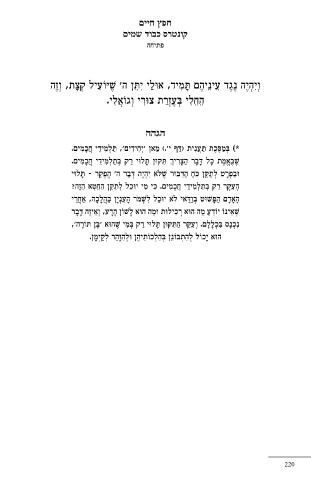
 Chafetz Chayim  םימש דובכ סרטנוק  .וי ּ ִפ ח ּ ַתְפִי אלֹ ם ּ ֵלִא ּ ְכ הֶיְהּ ִיֶשׁ ּ ְכ ,וֹנוֹיְזִבוּ   םירִָב ּ דְ( אֵצֵת תַשׁרָ ּ ָפ ה ּ ָברַ שׁרָדְִמ ּ ְב אָתיִאדְִכְו .וי ּ ִפִמ איִצוֹהֶשׁ   'ב תוֹבָא( יא ּ ַכַז ן ּ ֶב ןָנָחוֹי 'ר רַמָאֶשׁ וֹמ ּ ְכ ,הרָוֹתּ לֶשׁ הָּלָמֲעַל   רוּבּ ּ דִ ל ּ ָכ ןיִבְתוֹכְו ויָלָע ןידְִמוֹע הָ
  Kuntres Kevod Shamayim          םימש דובכ סרטנוק
 st
 1  chapter                              החיתפ
 pasuk (Mishle 13:13) “one who disregards something will cause
 it to harm him,” that anyone who belittles any word of Torah,
 that word will come back to hurt him and he will be punished    הֶזְו ,תָצקְ ליִעוֹיֶּשׁ 'ה ן ֵּתִי יַלוּא ,דיִמ ָּת םֶהיֵניֵע דֶגֶנ הֶיְהִיְו
 in precisely that part of his body that corresponds to that sin.    .יִלֲאוֹגְו ירִוּצ תרְַזֶע ְּב יִלֵחֵה
 (Emphatically) And how great will his sorrow and humiliation
 be when he becomes as a mute who cannot open his mouth \ who
 cannot speak!                                                                                                                                                                8
                                        ההגה
 [ 18 ]  Chazal have said (Avot 2:1) “Look at (think about) three
 things, and you will not be able to bring yourself to commit sin.”     .םיִמָכֲח ידֵיִמְל ַּת ,'םידִיִחְי' ןאַמ ).'י ף ּדַ( תיִנֲע ַּת תֶכ ֶּסַמ ְּב )*
 One of those three things is (to think about) who he will have to    .םיִמָכֲח ידֵיִמְלַת ְּב קרַ יוּל ָּת ןוּקּ ִּת ךְירִ ָּצַה רָב ָּד ל ָּכ תֶמֱא ֶּבֶשׁ
 stand before in “judgment” and “give an accounting for.”  (He    יוּל ָּת - רקְֵפֶה 'ה רַב ּדְ הֶיְהִי אלֶֹּשׁ רוּבּ ּדִַה ַח ֹּכ ן ּקֵַתְל טרְָפִבוּ
 will have to stand before) the King of Kings, Blessed is He, that
 all  of  the  hidden  things  in  creation  are  revealed  before  Him.     ?הֶּזַה אְטֵחַה ן ּקֵַתְל לַכוּי יִמ י ִּכ .םיִמָכֲח ידֵיִמְלַת ְּב קרַ ר ּקִָעָה
 “Judgment” means being judged for the crime (sin) itself.  “Give    ירֲֵחַא ,הָכָלֲה ַּכ ןָיְנִעָה רֹמְשִׁל לַכוּי אלֹ יא ּדַַו ְּב טוּשׁ ָּפַה םָדָאָה
 an accounting for” means, that man was sent to this world (only)    רָב ָּד הֶזיֵאְו ,ערָָה ןוֹשָׁל אוּה הַמוּ תוּליִכרְ אוּה הַמ ַעדֵוֹי וֹניֵאֶשׁ
 to toil in Torah, as Rebbe Yochanan Ben Zakkai said, “If you    ,'הרָוֹתּ ן ֶּב' אוּהֶשׁ יִמ ְּב קרַ יוּל ָּת ןוּקּ ִּתַה ר ּקִַעְו .םָלָלְכ ִּב סָנְכִנ
 have learned much, don’t ‘pat yourself on the back’ because that
 is precisely why you were created (Avot 2:8).  Man is given the   .ןָמְּיקְַל רֵהָּזִהְלוּ ןֶהיֵתוֹכְלִה ְּב ןֵנוֹבְּתִהְל לוֹכָי אוּה
 days of his life based on an accounting of what he will bring back
 with him to the Eternal World, depending on the strength of his
 knowledge of Torah and observance of mitzvot.  Then, in the
 Coming Future man must then give an accounting of each day of
 his life, explaining what he did with those days.  Truthfully, when
 he thinks carefully about this, he will realize that at the very least
 one or two hours were wasted each day.  When one tallies up
 these wasted hours, during the course of a year those hours will
 total more than 300 hours of time that was wasted from learning
 Torah, even if during those hours this person spoke no forbidden
 words.  Man should ponder this thought during his life so that his
 time will not go to waste and then praiseworthy will be his share
 in Olam Haba.
 [ 19 ]  Man should ponder the following:  At the moment he
 speaks Lashon Hara to someone, he should not think that there is
 no one in the house except himself and his friend.  Rather, “they”
 are  standing  above  him  and  “they”  are  recording  every  word
 he speaks.  This concept is brought down in Midrash Rabbah


 237  240  א קרפ  םייח ץפח  .תאֵמְטִנ -  םימש דובכ סרטנוק  .ץוּחַל ל ּ ֹכַה הֶחדְִנ ,דַחַי ּ ְב הָאְמ ּ ֻטַה ירְֵבדְִו הָשּׁדֻ ּ קְַה ירְֵב ּ דִ   ץרֶֶשַּׁה הּ ּ ָב עַגָנ רֶשֲׁא ּ ַכ ,הָמוּרְת ּ דִ אָיְמ ּ דֻ אוּהְו .)שׁוֹד ּ קַָה ַח ּ ֹכַה   שָׁלְחֶנ לוֹכָיְבִכְו ,הָשּׁדֻ ּ קְַה רַבדְ ּ ִב ,וֹבּ הֶכוֹז םָדָאָה ןיֵאְו .אוּהַה   שׁ

