


Page 15 - textbook5chapters
P. 15
1036 Surgical Anatomy in Pelvic Gynaecologic Oncology

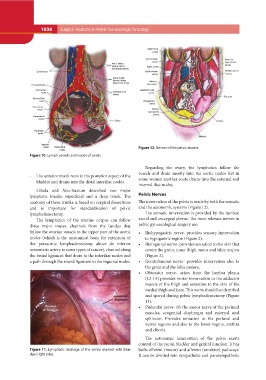
                                                              Figure 12. Nerves of the pelvic viscera.

Figure 10. Lymph vessels and nodes of pelvis.

- The anterior trunk runs in the posterior aspect of the          Regarding the ovary, the lymphatics follow the
    bladder and drains into the distal interiliac nodes.      vessels and drain mostly into the aortic nodes but in
    Cibula and Abu-Rustum described two major                 some women another route drains into the external and
                                                              internal iliac nodes.
lymphatic trunks: superficial and a deep trunk. The
anatomy of these trunks is based on surgical dissections      Pelvic Nerves
and is important for standardization of pelvic
lymphadenectomy.                                              The innervation of the pelvis is made by both the somatic
                                                              and the autonomic systems (Figure 12).
    The lymphatics of the uterine corpus can follow
three major routes: channels from the fundus that                 The somatic innervation is provided by the lumbar,
follow the ovarian vessels to the upper part of the aortic    sacral and coccygeal plexus. The most relevant nerves in
nodes (which is the anatomical basis for extension of         pelvic gynaecological surgery are:
the paraaortic lymphadenectomy above de inferior
mesenteric artery in some types of cancer), channel along     • Iliohypogastric nerve- provides sensory innervation
the broad ligament that drain to the interiliac nodes and         to hypogastric region (Figure 2).
a path through the round ligament to the inguinal nodes.
                                                              • Ilioinguinal nerve- provides sensation to the skin that
Figure 11. Lymphatic drainage of the cervix marked with blue      covers the groin, inner thigh, mons and labia majora
dye (right side).                                                 (Figure 2).

                                                              • Genitofemoral nerve- provides innervation also to
                                                                  the groin and the labia majora.

                                                              • Obturator nerve- arises from the lumbar plexus
                                                                  (L2-L4) provides motor innervation to the adductor
                                                                  muscle of the thigh and sensation to the skin of the
                                                                  medial thigh and knee. This nerve should be identified
                                                                  and spared during pelvic lymphadenectomy (Figure
                                                                  13).

                                                              • Pudendal nerve- it’s the motor nerve of the perineal
                                                                  muscles, urogenital diaphragm and external anal
                                                                  sphincter. Provides sensation to the perianal and
                                                                  vulvar regions and also to the lower vagina, urethra
                                                                  and clitoris.

                                                                  The autonomic innervation of the pelvis exerts
                                                              control of the rectal, bladder and genital function. It has
                                                              both, efferent (motor) and afferent (sensitive) pathways.
                                                              It can be divided into sympathetic and parasympathetic

