


Page 197 - BERESHIT
P. 197
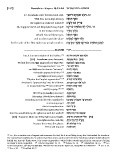
[187]            Bereishis—Vayera 18:23–24 ãë-âë:çé àøéåZúéùàøá                                       Bereishis—Vayera 20:3–6: å-â:ë àøéåZúéùàøá        [210]

                  23. Avraham came forward and said, þ¢ÔôêÒiÔîó£ÖíÖþÐëÔêL'ÔbÌiÔî .è×                       3. Elohim came to Avimelech CÓñ£Óô−ÌëÎê-ñÓêó−§ÌíGÍêê«ÒëÖiÔî.è
                         “Will You [actually] destroy í flÓtнÌz¹¤ÔêÔí                                 in a dream at night, and said to him, B †ñþÓôê¤ÒiÔîíÖñÐ−¢ÖlÔíóB¤ñÎìÞÔa
                      the righteous with the wicked? :¼ÞÖLÖþ-ó̼š−£ÌcÔ®                   “Behold, you shall die because of the woman you took, ÖzÐì flÔšÖñ-þÓLÎêí¤ÖMÌêÞÖí-ñÔ¼·³Ñô 'EÐpÌí
             24. Suppose there are fifty righteous people ó £Ìš−ÌcÔ®ó−'ÌMÌôÎìL§Ñ−−'Ôñeê .ð×                 for she is a married woman.” :ñÔ¼ÞÖa³Ôñ'Š¼Ðaêî£ÌíÐî
                             in the midst of the city. þ−¢Ì¼ÖíCB¤³Ða                               4. Avimelech had not come near to her. Öí−¢ÓñÑêë£ÔþÖšê'GCÓñ–Óô−ÌëÎêÞÔî.ð
                           Would You still destroy it, ·íÓtнÌz¹¥ÔêÔí                                             He said, “My Master, −–ÖòÒðÎêþ–Ô ôêÒiÔî
                         and not bear with the place óB flšÖnÔñê¤ÖO̳-ê ÞGÐî                          will You also kill an innocent nation? :è ÞÒþÎíÞÔzš−£ÌcÔ®-óÔb−B'èÎí
         for the sake of the fifty righteous people inside it. :dÞÖaÐþÌšÐaþ'ÓLÎêó £Ìš−ÌcÔvÔíó−'ÌMÌ ôÎìöÔ¼§ÔôÐñ  5. Did he not say to me, ‘She is my sister?’ êî flÌí−̳¤ÒìÎê·−Ìñ-þÔôÞÖêêe¥íê ¶GÎí.í
                                                                                                     And she also said, ‘He is my brother.’ êe¢í−¤ÌìÖêí£ÖþÐôÞÖêêî'Ìí-óÔb-ê−ÞÌíÐî
                  AAAAAAAAAAAAAAAAAAAAAAAAAAAAAAAAAAAAAAAAAAAAAAAAAA RASHI  é"ùøAAAAAAAAAAAAAAAAAAAAAAAAAAAAAAAAAAAAAAAAAAAAAAAAA  With an innocent heart and clean hands I did this.” :³êÞÒï−̳−'ÌNÖ¼−£ÔtÔkö'Ò−КÌòÐëe −§ÌëÖëÐñ-óÖ³Ða
                  but, it is an amendation of the Scribes. 136  :íÓï êeí ó−ÌþÐõB½ öewÌzêÖlÓê            6. Elohim said to him in a dream, ó †GÎìÞÔaó−‚ÌíGÍêÞÖíî− ¶ÖñÑê»þÓôê»ÒiÔî.î
                       [23] Avraham came forward.  .íÈäÈøÀáÇàLÇâÄiÇå [âë]
                                                                                                      AAAAAAAAAAAAAAAAAAAAAAAAAAAAAAAAAAAAAAAAAAAAAAAAAA RASHI  é"ùøAAAAAAAAAAAAAAAAAAAAAAAAAAAAAAAAAAAAAAAAAAAAAAAAA
              We find the term íÖLÖbÔí [approach] to wage war:  :íÖôÖìÐñÌnÔñíÖLÖbÔí eò−Ì®Öô
                           “Yoav approached,” etc., 137  ,’îèî ëÖêB− LÖbÌiÔî                      both [words ñÓê] meaning ñÔ¼—concerning. 293  :ñÔ¼ öBLÐñÌaóÓí−ÑòÐL
                     and íÖLÖbÔí used to denote “entreaty”:  :½eiÌõÐñíÖLÖbÔíÐî
                                                                                                            [4] Had not come near her.  .ÈäéÆìÅàáÇøÈ÷àG [ã]
                         “Yehudah approached him,” 138  ,íÖðeíÐ− î−ÖñÑêLÔbÌiÔî
                                                                                                 [This was so because] the angel prevented him  ,B¼ÖòÐôCÖêÐñÔnÔí
                            and íÖLÖbÔí to denote prayer:  :íÖlÌõгÌñíÖLÖbÔíÐî                                                  294
                                                                                         as it is said: “I did not give you the chance to touch her.”  :Öí−ÓñÑêÔ¼ÒbÐòÌñE−ÌzÔ³ÐòêG:þÔôÍêÓpÓLBôÐk
                    “Eliyahu the Prophet approached.” 139  ,ê−ÌëÖpÔíeíÖiÌñÑêLÔbÌiÔî
                                                                                                    Will You also kill an innocent nation?  .âÉøÂäÇz÷éÄcÇöíÇâ éBâÂä
                Avraham’s “approaching” was for all these:  ,óÖíÖþÐëÔê½ÔòÐ×ÌòíÓlÑêñÖ×Ðñe
                                                                                          [Meaning] would you kill a nation even if it is righteous?  !epÓèÐþÔíÔzš−ÌcÔ® êeí óÌê¹Ôê
                    1) to speak sternly, 140 2) to entreat 141  ½eiÌõÐñe ³BLÖšþÑaÔðÐñ
                                                                                                                 Is this perhaps Your way  EÐkÐþÔcCÔkêÖnÓL
                                and 3) to pray. 142 143  :íÖlÌõгÌñÐî
                                                                                                          to destroy nations without cause?  ?óÖpÌì ³BneêÖíðÑaÔêÐñ
                         Will You [actually] destroy?  .äÆtÀñÄzóÇàÇä
                                                                                                      You did likewise to the Flood generation  ñeaÔnÔí þBðÐñÖ³−ÌNÖ¼CÔk
                        [Meaning:] Would you destroy?  .íÓtнÌzóÔèÎí
                                                                                                           and to the Dispersal generation.  .íÖèÖñÐõÔí þBðÐñe
                   According to Onkelos who translated it  BôÐbÐþÌzÓL ,½eñÐwÐòeê ñÓL óebÐþÔ³Ðñe
                                                                                                   I also say that You killed them for no reason  ,þÖëÖðêGñÔ¼óÖzÐèÔþÎíÓLþÑôBê −ÌòÎê¹Ôê
                                  as meaning anger  ,ïÓèBþ öBLÐñ
                                                                                                            just as You intend to kill me. 295  :−ÌòÑèÐþÖíÐñþÑôBê íÖzÔêÓLóÑLÐk
                               this is its explanation:  :BLeþ−ÑtCÔk
                                                                                                                     [5] She also. 296  .àåÄäíÇâ [ä]
                           Would Your anger sway You  EÎê−ÌMÔ−¹ÔêÎí
                                                                                                       [This was said] to include her servants,  ó−ÌðÖëμ ³BaÔþÐñ
        that You would destroy the righteous with the wicked?  :¼ÖLÖþó̼š−ÌcÔ®íÓtнÌzÓL
                                                                                                            cameldrivers, and muledrivers.  ,dÖlÓLó−ÌþÖnÔìÐî ó−ÌñÖnÔèÐî
          [24] Suppose there are fifty righteous people.  .íéÄ÷éÄcÇöíéÄLÄîÂçLÅééÇìeà [ãë]
                                                                                                                      “I asked them all  −ÌzÐñÔêÖLóÖlŠk³Óê
                            Ten righteous for each city,  ,CÔþÐ×e CÔþÐkñÖ×ÐñíÖþÖNμ
                                                                                                  and they responded that he was her brother.”  :êeí Öí−ÌìÖê :−ÌñeþÐôÖêÐî
                         because there were five places.  .LÑ− ³BôBšÐô’í−Ìk
                                                                                                               With an innocent heart.  .éÄáÈáÀìíÈúÀá
                                 If You will respond  :þÔôêÒzóÌêÐî
                                                                                                    [Meaning] “I had no intention of sinning.”  :êB¬ÎìÔñ−̳−ÌnÌðêHÓL
                                                                                                                    And clean hands.  .éÇtÇkïÉéÀ÷ÄðÀáe
      136 I.e., it is so written out of respect and reverence for God, for it is not fitting to say that God waited for Avraham.
                                                                                                           [Meaning] “I am innocent of sin  ,êЬÑìÔíöÌô−ÌòÎê−ÌšÖò
      The commentaries (Mizrachi, etc.) stress that this is not to say that the text of the Torah was tampered with (Heaven
                                                                                                              for I have not touched her.”  :dÖë−ÌzмÔèÖòêHÓL
      forbid) but, that the Torah wrote it in a way comparable to what Scribes would amend in the statement of a king
      to render it more respectful.  137  I Divrei Hayamim 19, 14.  138  Below 44, 18.  139  I Melachim 18, 36.  140  I.e.,
      to demand justice, ¼¾þ ó¼ š−ð® íõ½³ ¹êí, “Would You destroy the righteous along with the wicked?”  141  See v. 27.  293  Also see Onkelos.  294  V. 6.  295  Ber. Rab. 52,6.  296  The words ê−í óè seem redundant, and alludes to the fact
      142  See v. 30.  143  Ber. Rab. 49, 7.                                           #  that others, as well, said that Sarah is Avraham’s sister.    26015-EYAL - 26015-BERESHIT-EYAL.1 | 7 - A | 18-07-18 | 09:43:37 | SR:-- | Magenta   26015-EYAL - 26015-BERESHIT-EYAL.1 | 7 - A | 18-07-18 | 09:43:37 | SR:-- | Cyan   26015-EYAL -


 7


 BERESHIT


                                                                                         26015-EYAL - 26015-BERESHIT-EYAL.1 | 7 - A | 18-07-18 | 09:43:37 | SR:-- | Cyan
                         #
                                                                                         26015-EYAL - 26015-BERESHIT-EYAL.1 | 7 - A | 18-07-18 | 09:43:37 | SR:-- | Black
                                                                                          #26015-EYAL - 26015-BERESHIT-EYAL.1 | 7 - A | 18-07-18 | 09:43:37 | SR:-- | Yellow
                                                                                         26015-EYAL - 26015-BERESHIT-EYAL.1 | 7 - A | 18-07-18 | 09:43:37 | SR:-- | Magenta

